World’s Top 15 Poisonous Caterpillars
There are many kinds of poisonous caterpillars; several caterpillars develop chemical warfare – they become poisonous. Here are 15 species of poisonous caterpillars from around the world.

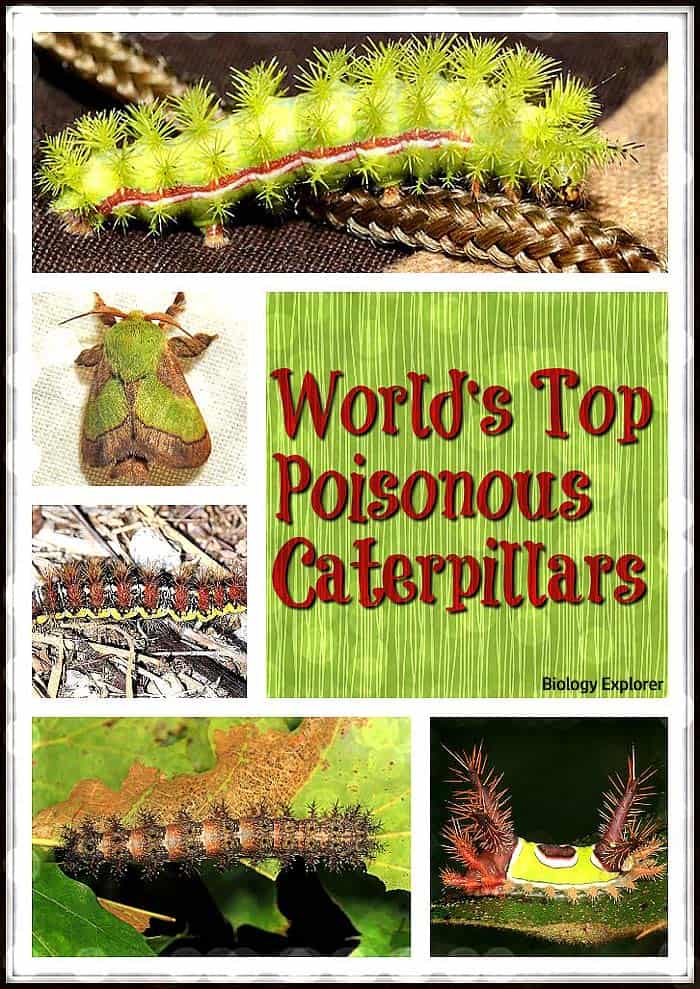
There are many kinds of poisonous caterpillars; several caterpillars develop chemical warfare – they become poisonous. Here are 15 species of poisonous caterpillars from around the world.
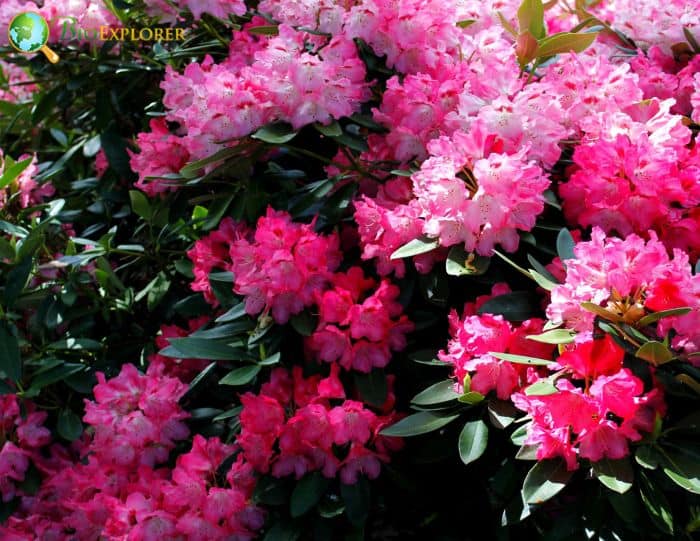
Discover the vibrant world of Azaleas in our comprehensive guide. Learn about different types, ideal planting conditions, care tips, and how to handle common pests and diseases. Perfect your green thumb with our step-by-step guide to planting and propagating these stunning shrubs.
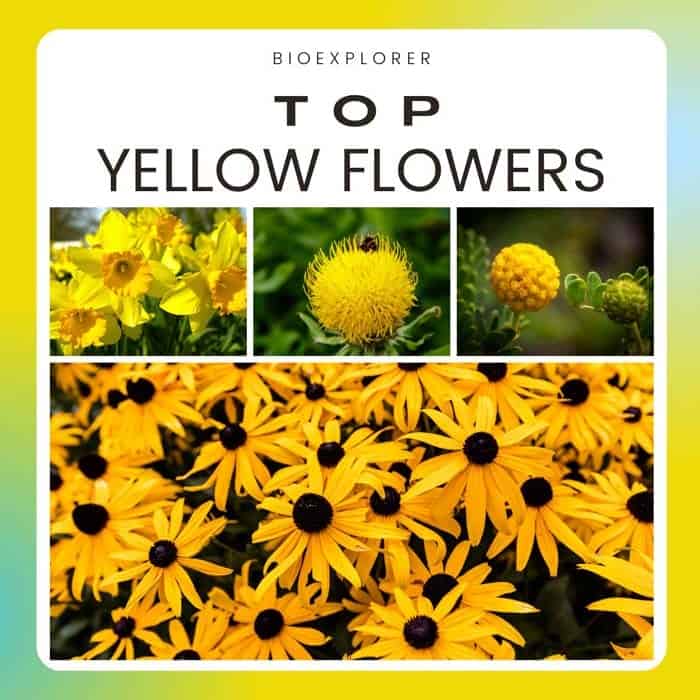
Discover the top 66+ yellow flowers to brighten your garden. From sunflowers to daffodils, learn about their care, symbolism, and how to create a stunning display.
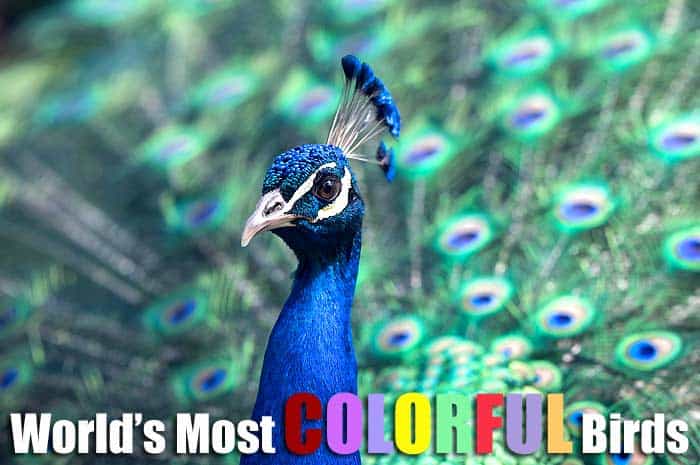
A visual guide to the world’s most colorful birds, featuring 40 stunning species with vibrant plumage, eye-catching photos, and fascinating facts.
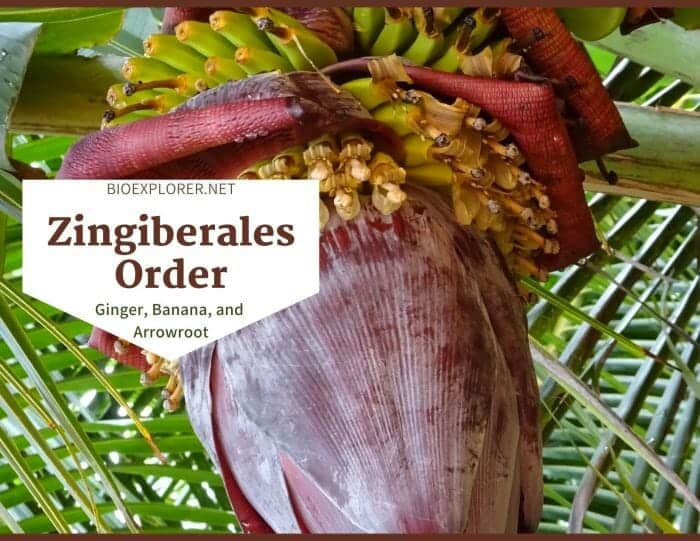
Zingiberales’ order comprises several species of great economic importance, like the banana and the ginger. Members have almost restricted distribution to tropical regions. Zingiberales species have ptyxis, large flowers, attractive colors, and inferior ovaries. Banana, Bird-of-paradise, Orchidantha, ginger, costus, and Canna lily are examples of Zingiberales order.
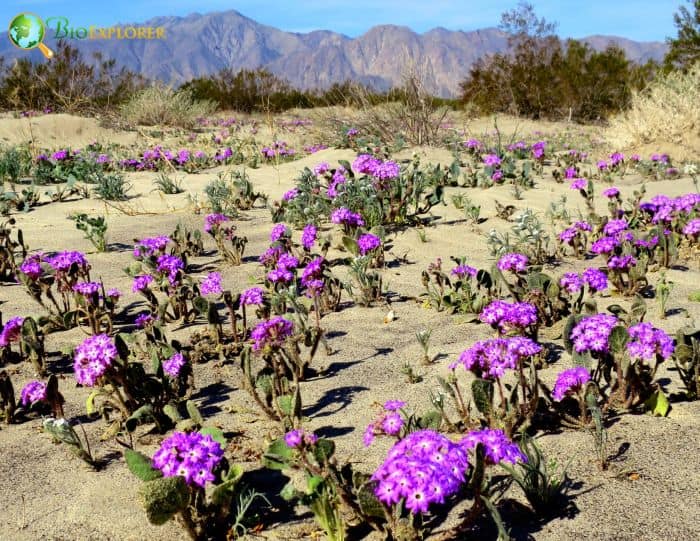
The Desert Sand Verbena is a native species of the southwestern United States and Northern Mexico, growing in the sandy areas of the desert. The flowers are trumpet-shaped. The flowers are fragrant with 5 lobes.
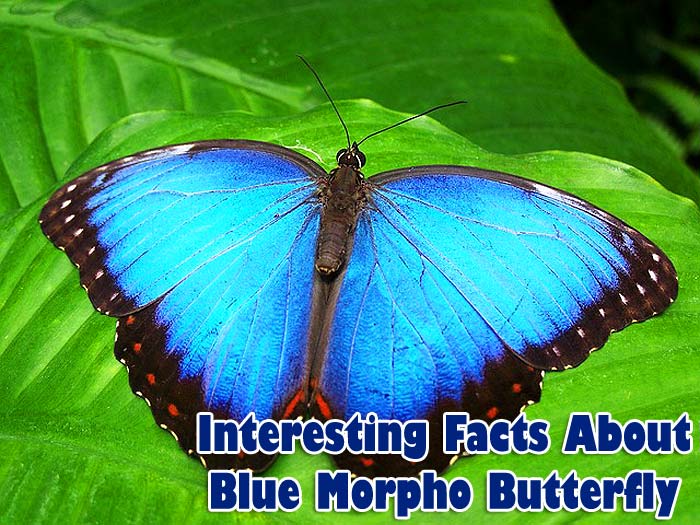
The Blue Morpho butterfly is the most well-known species in the butterfly genus Morpho. Learn the top 21 facts about the Blue Morpho butterfly here.

From exquisite blooms to exotic plants, our guide to America’s top 15 botanical gardens promises enchanting adventures. Don’t miss out on these beautiful, botanical must-sees!

In 2022 paves the way towards discoveries in ecological consequences influenced by genetic factors, climate change in marine habitat, coral reefs and plants having great adaptability to climate change, and the necessity towards conservation of biodiversity.
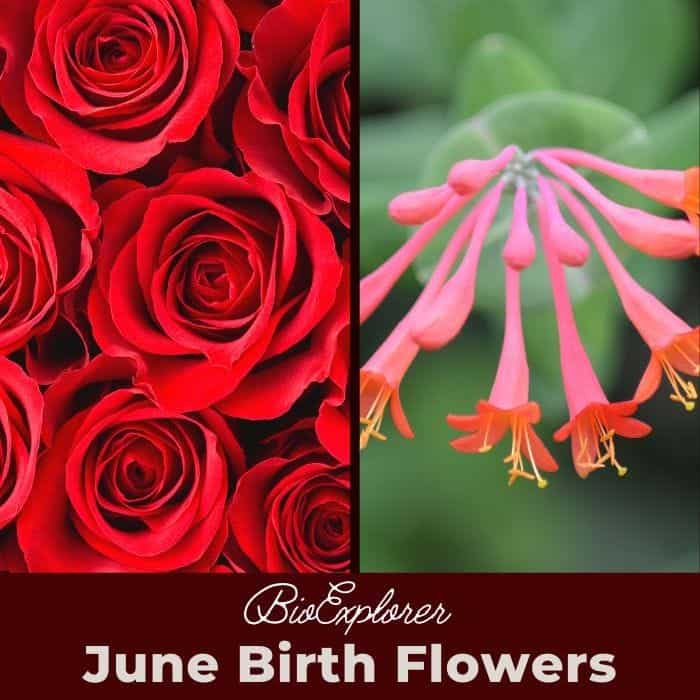
Unlock the hidden secrets of your June birth flowers! Discover the symbolism behind roses and Honeysuckle, and delve into their rich history and fun facts here.
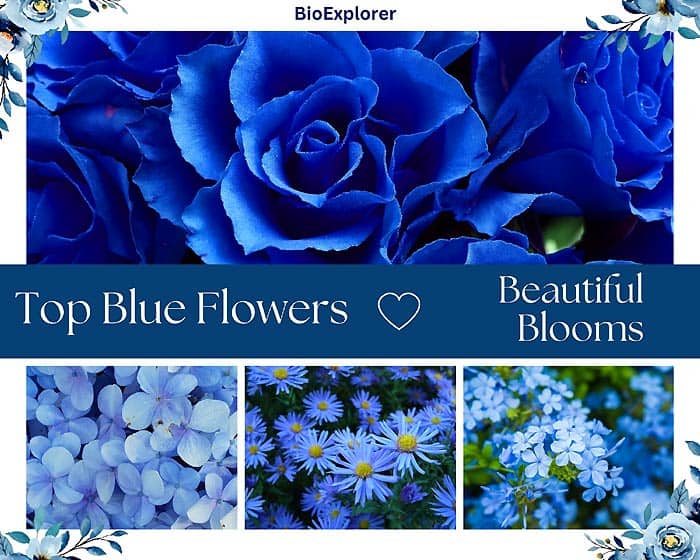
Discover the hidden secrets of 43 types of blue flowers in our captivating blog post. Explore the rarity of natural blue pigments in flowers and symbolism and meanings of blue flowers.
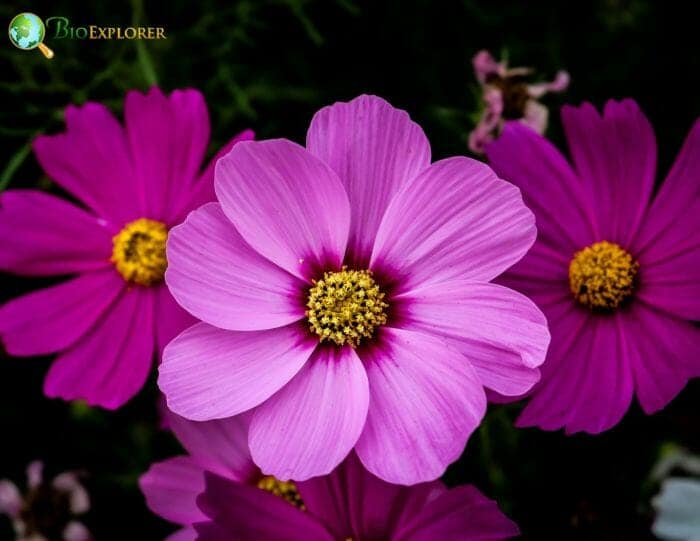
Cosmos are annual flowering plants native to Mexico, characterized by brightly colored, daisy-like blooms borne on long, slender stems. Cosmos is a species of flowering plant in the Asteraceae (sunflower) family native to the meadowland and scrubland of Mexico, where most species are found.
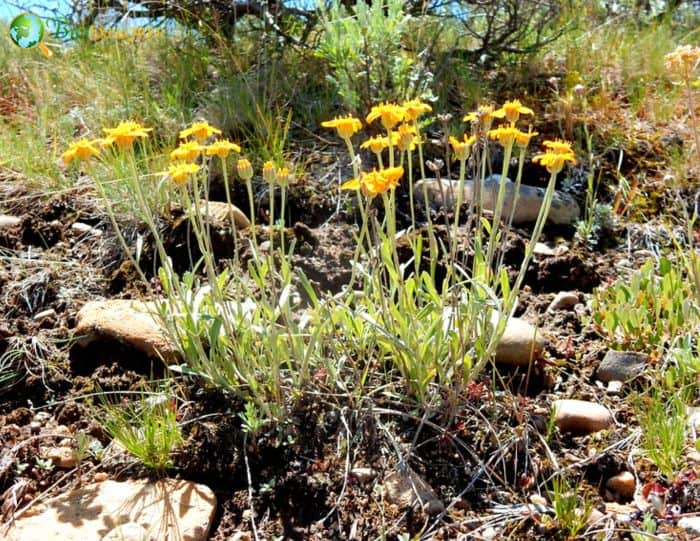
Hymenoxys lemmonii is a perennial herb of the Asterceae family. The plant can grow to a height of 15-20 inches. The plants of the genus Hymenoxys contain sesquiterpene lactone hymenoxon, which is toxic to sheep.
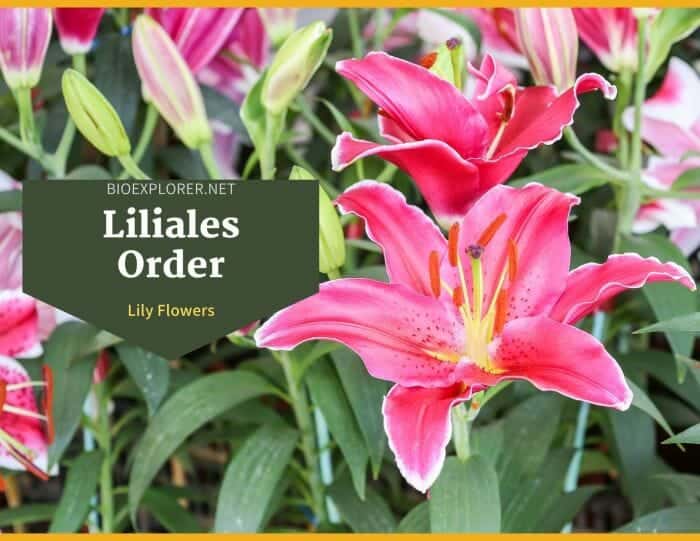
Liliales is the lily order of monocotyledonous flowering plants. Members of this order involve herbaceous plants, shrubs, and lianas. Liliales flowers are distributed worldwide but common in the subtropical and temperate regions. Lanzhou Lily, Chilean Bellflower, Katakuri/Trout Lily, and Wood’s bunchflower are some of the Liliales example species.
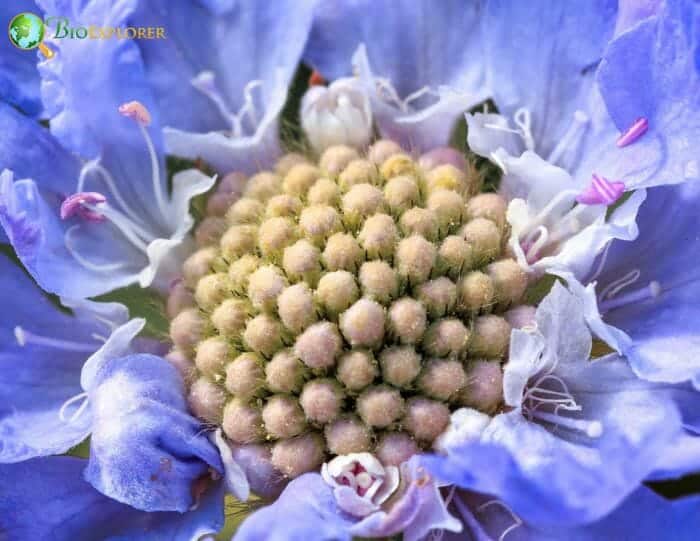
Native to Africa, Asia, Europe, and the Caucasus, Scabiosa includes around 70 species of small annual and perennial herbaceous plants that belong to the Caprifoliaceae (honeysuckle) family. These plants are mainly recognized by their unique appearance and genus name.
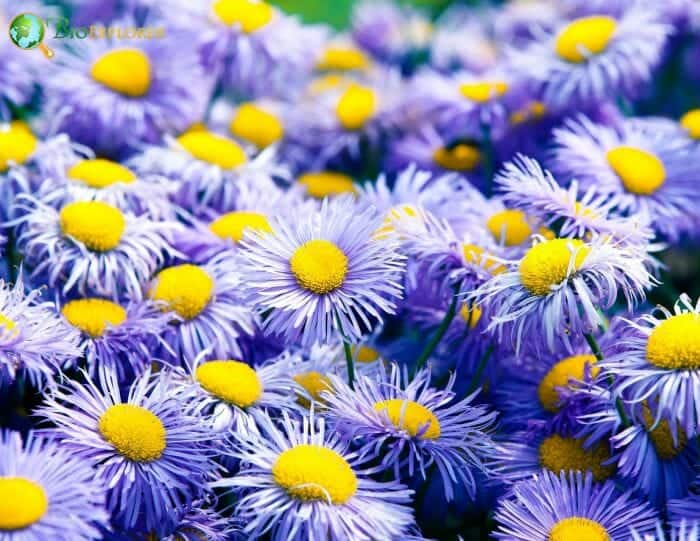
Loved by butterflies, gardening enthusiasts, and florists, this remarkable flower Monte Cassino spotlights delicate clear white clouds of dainty daisies with a yellow center that hovers over neatly trimmed small green leaves that form a sturdy, bushy clump. The florets on the central disc are generally yellow, surrounded by thong-shaped ligulate florets in white, purple, blue, or pink shades.
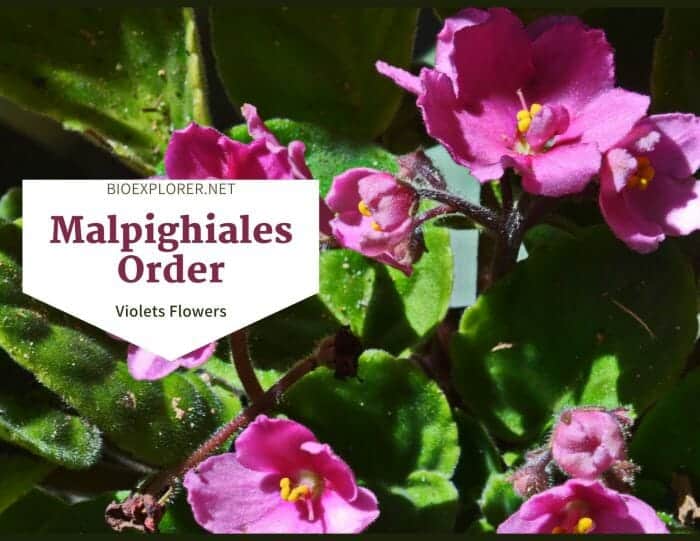
Malpighiales order is a large group with species primarily distributed in tropical regions. The members of Malpighiales often have toothed and stipulate leaves, 10 free stamens, 3-5 fused carpels, a nectary, superior ovaries, and typically endospermous seeds. Most Malpighiales flowers consist of 5 sepals and 5 petals. The violets, flax, passion flowers, euphorbias, and mangroves are some of the notable species of Malpighiales.
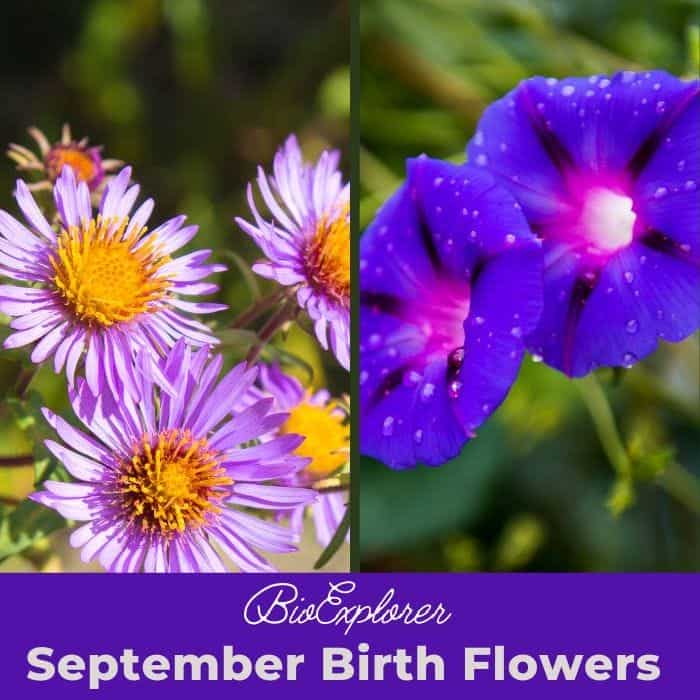
Discover the fascinating meanings behind September birth flowers, the Aster and Morning Glory. Learn about their origins, special meanings, and cultural importance for an enlightening read.

Discover the enchanting world of Holly flowers with our comprehensive guide. Explore their vibrant beauty today from 21 notable Holly varieties from history to cultivation.
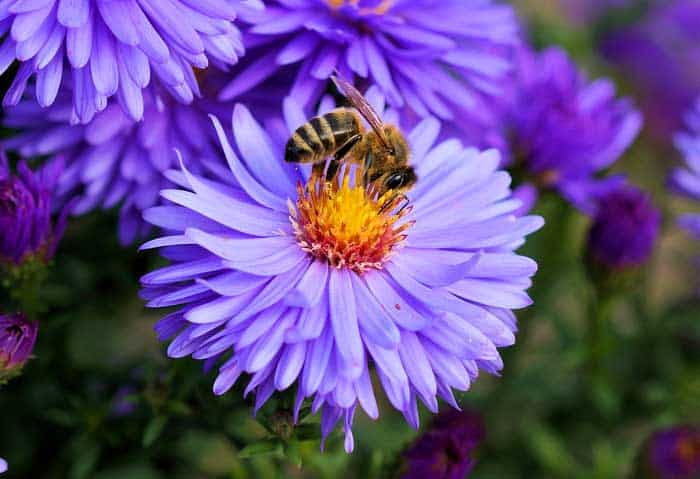
Are you looking for cute purple flowers to plant in your garden, or want to learn about them from a botany perspective? Here are the 50+ top pretty purple flowers and their names.
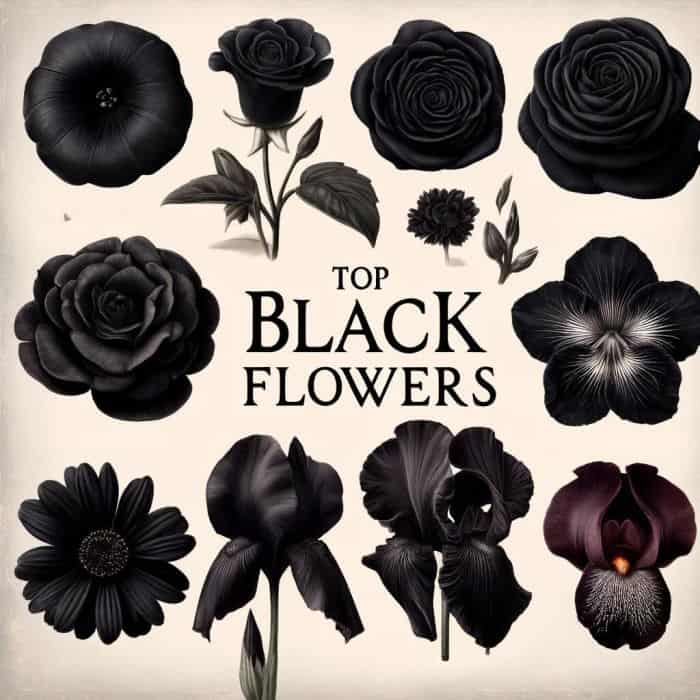
This article explores the top 21 black flowers, delving into their unique characteristics, growing requirements, and fascinating facts. Each of these varieties, from the classic Black Dahlia to the exotic Black Bat Flower, has a story to tell.

Ranunculales is the order of angiosperms with a worldwide distribution, which are peripheral eudicots with spiral leaves, three openings (colpi) in the pollen, and spectacular floral diversity. The buttercup, Barberry, Moonseed, Chocolate vine and poppy flowers are the famous example species of Ranunculales.
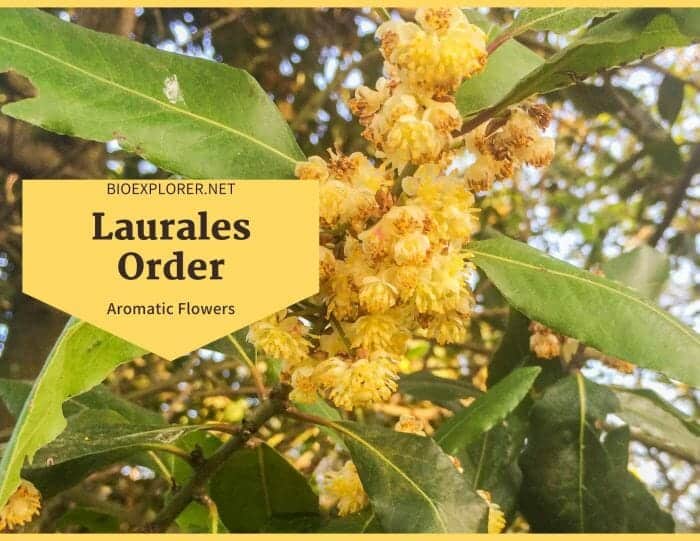
Laurales is an order of flowering plants composing trees, shrubs, herbs, and vines. This order comprises seven families. Laurales species are used for lumber, medicinal extracts, essential oils, and ornamentals. Examples include Avocado, Bay Laurel, Limoncillo, Negramina, Grease Nut, Carolina Allspice & more.
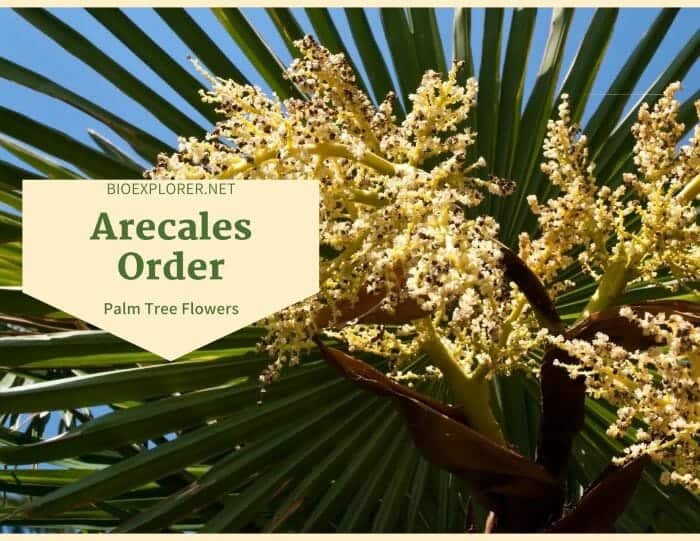
Arecales, the palm order, is one of the most recognizable and significant orders of flowering plants in the tropics and subtropics. A few include the coconut palm (Cocos nucifera), African oil palm (Elaeis guineensis), sago palm (Metroxylon sagu), and date palm (Phoenix dactylifera).
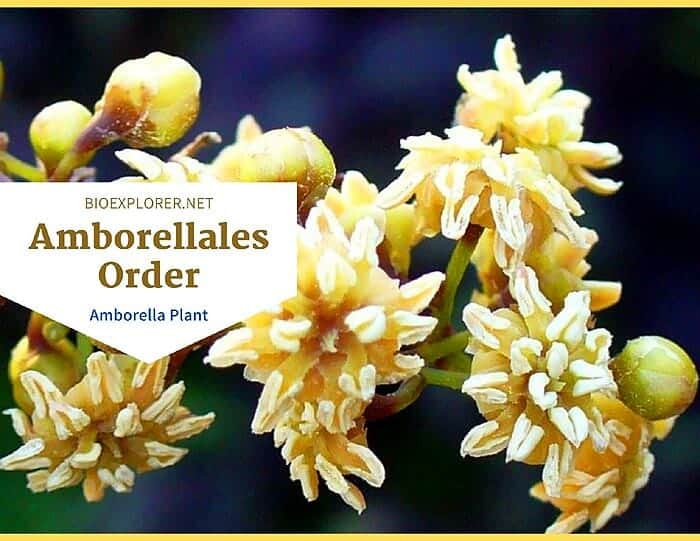
Amborellales plant order is represented by 1 species, in 1 genus and 1 family. Amborella trichopoda is the only flower species under the family Amborellaceae. Explore distribution, characteristics, flower structure, and species details here.
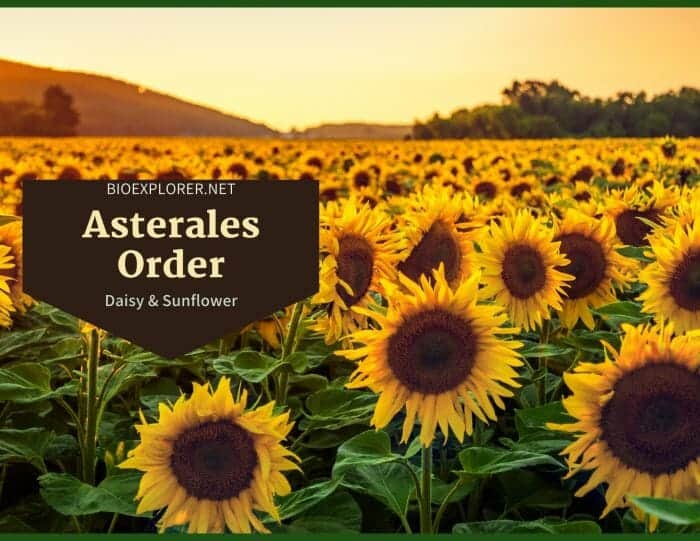
Asterales is a dicotyledonous order of flowering plants that holds ten percent of the angiosperm species diversity. Common sunflower, common daisy, Toropapa, Hydrangea, Bogbean, Water snowflake, and Cobalt mound are some of the beautiful flowers in Asterales.
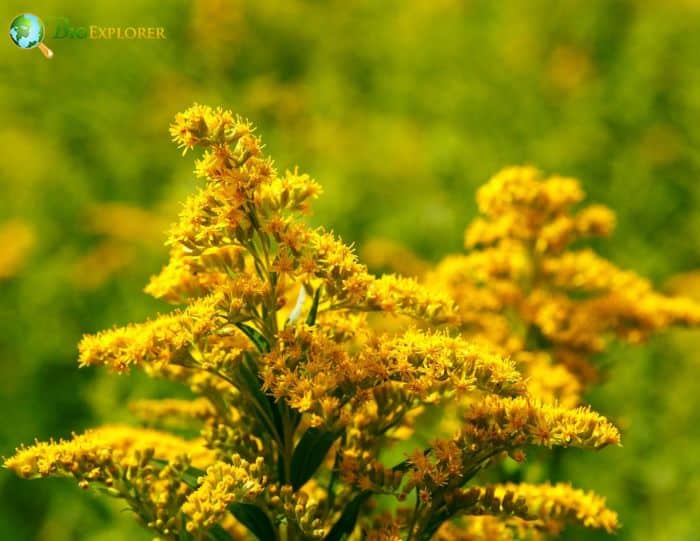
Solidago, commonly known as goldenrod, is a genus of approximately 100 to 120 species of flowering plants in the Asteraceae family. They are mainly native to North America, including Mexico; some species are native to Eurasia and South America.
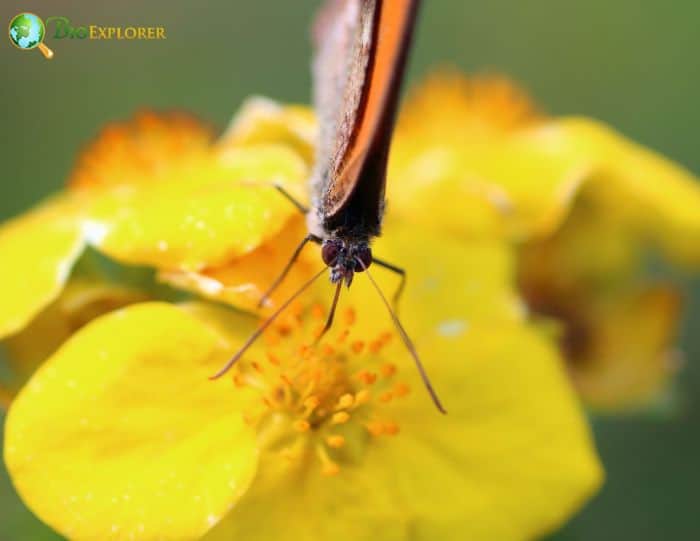
Potentilla anserine, also known as silverweed, goosegrass, or silverweed cinquefoil, is a prostrate perennial herb in the Rosaceae (rose) family. Silverweed is the only plant in the Potentilla genus with pinnate compound leaves and individual flowers on separate stems.
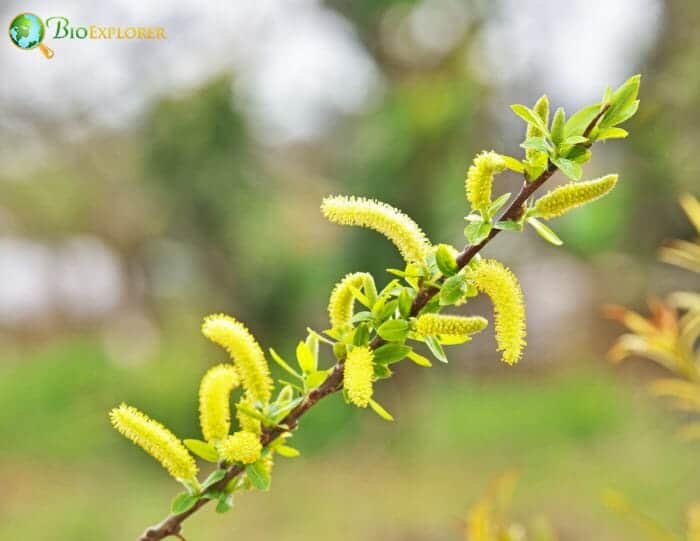
The Salix genus’s trees, shrubs, and willows in the Salicaceae family are mainly native to northern temperate zones. The Salix genus includes about 400 species of deciduous shrubs and trees.
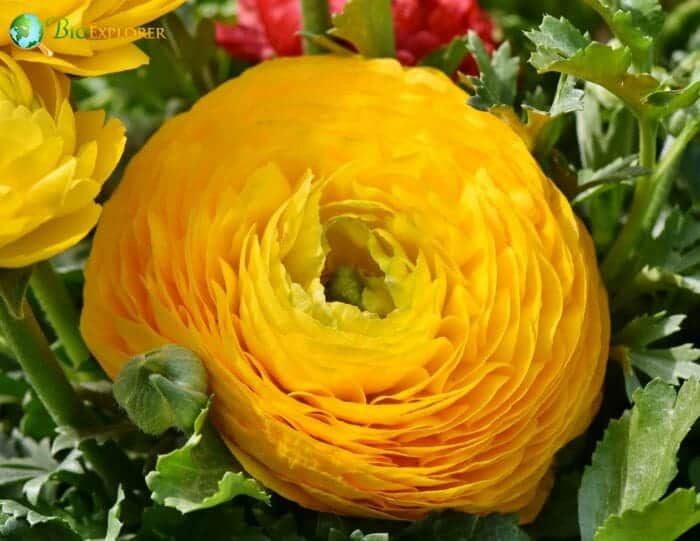
Ranunculus japonicas is a perennial herb of the family Ranunculaceae. It is a wild grass native to Japan. Ranunculus flowers add beauty and vibrancy to any garden. These perennial herbaceous plants, best known for their fragile rose-shaped petals, produce long-lasting cut flowers.
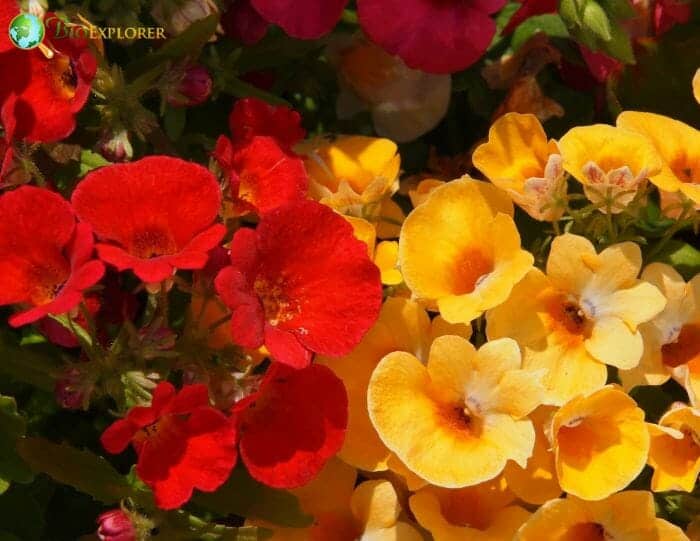
Nemesia is delicate subshrubs, annuals, and perennials primarily native to South Africa. This charming plant has been gaining popularity lately for a good reason. The flower colors include blue, brown, red, pink, cream, orange, yellow, and sometimes two-tone (different colored lower and upper lips).
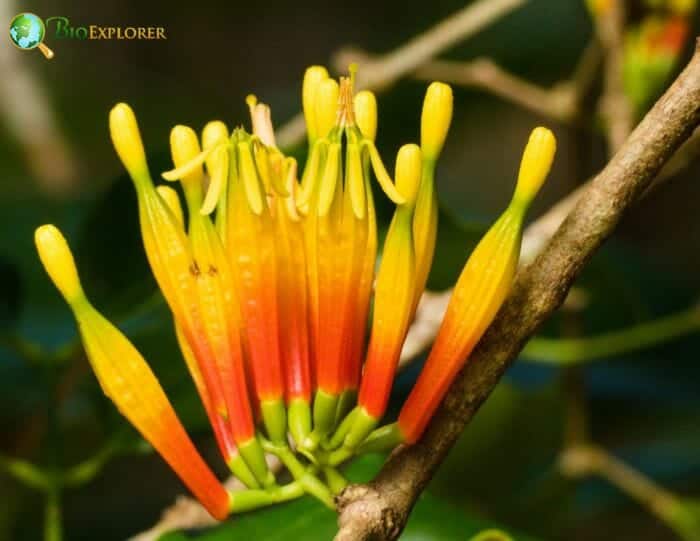
A mistletoe is a large group of plants that parasitize the above-ground parts of shrubs and trees. Mistletoe is a perennial flowering plant with specialized roots that can penetrate the host plant, from where it receives nutrients and water. The oak mistletoe revered by the Germans and Celts is the Viscum album (European Mistletoe), which produces yellow flowers and sticky white berries.
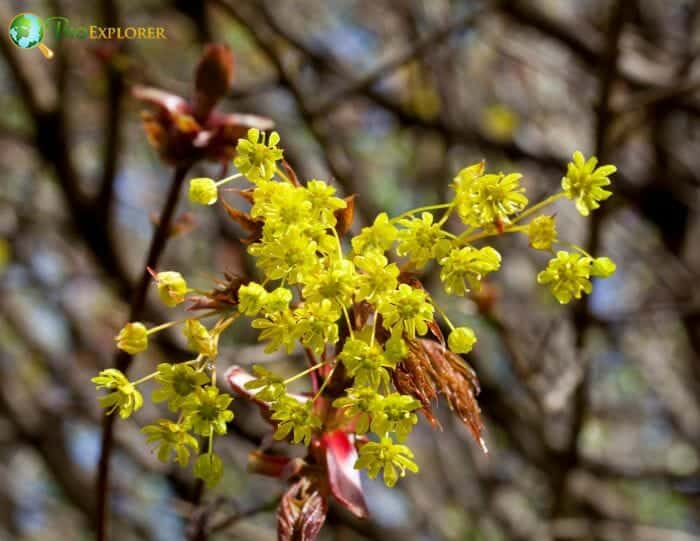
Maple is the common name for all members of the Acer flower genus, a group of around 132 primarily deciduous tree and shrub species. Most maples originate from Asia, but some species are also found in Europe, North Africa, and North America. Typically, Maple flowers are red, orange, green, or yellow.
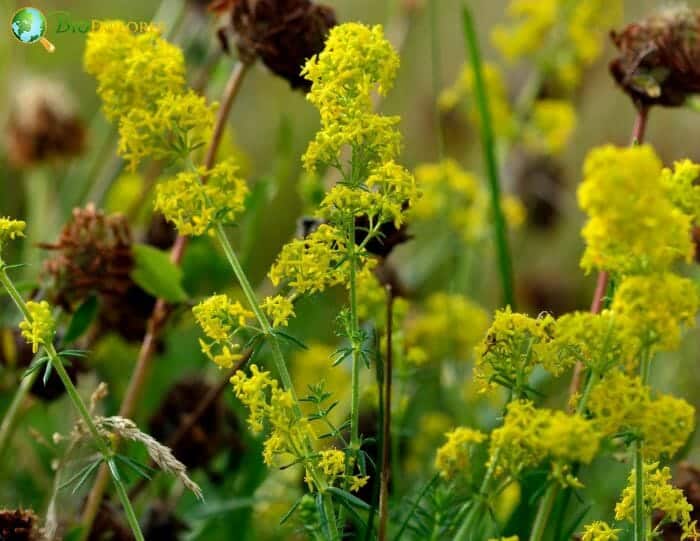
Lady’s Bedstraw (Galium verum), also known as the yellow bedstraw and cheese rennet, is a somewhat herbaceous rhizomatous perennial in the Rubiaceae family. In summer (July to September), four-petaled, bright yellow, fragrant flowers bloom in clustered, dense panicles.
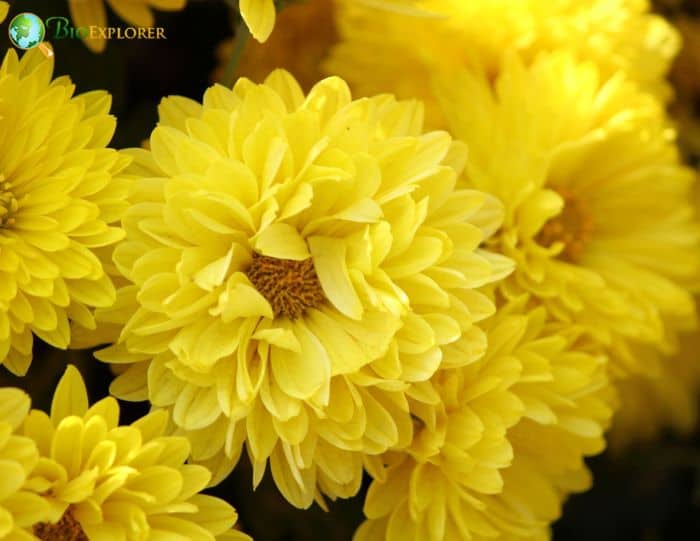
Chrysanthemum indicum is a perennial Japanese herb that can grow to 1-3 feet at maturity. Indian Chrysanthemum has over 10,000 varieties. The flowers are single and intensely fragrant. Chrysanthemum indicum is approved by NASA as a houseplant that can reduce air pollution.
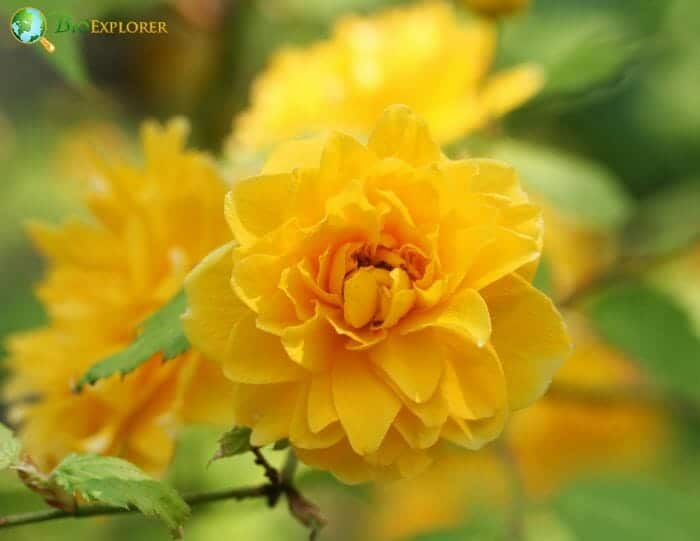
Kerria japonica, also known as Japan rose or Japanese kerria, is a small ornamental shrub in the Rosaceae family native to Korea, Japan, and China. The flowers are a brilliant golden yellow with 5 petals, similar to the old-fashioned rose.
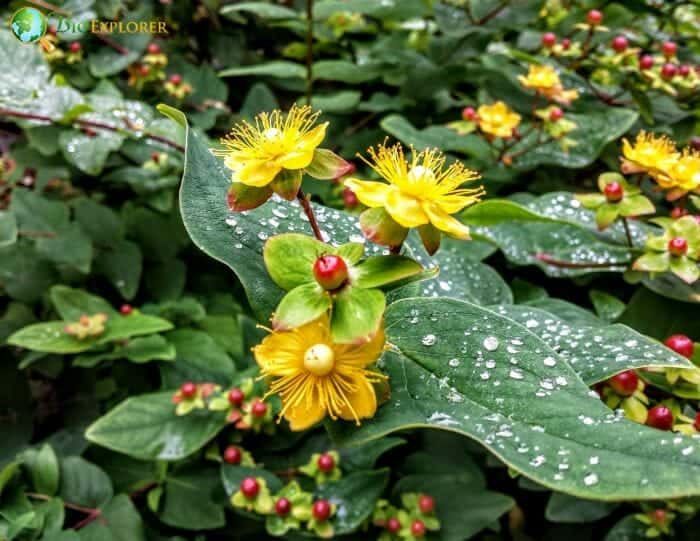
Hypericum Berries are very variable and occur as shrubs, trees, perennials, and annuals. Hypericum is a genus of plants in the Hypericaceae family. Hypericum berries are available in various colors, including red, pink, green, and white. It has bright yellow five-petalled flowers with prominent stamens that bloom in midsummer.
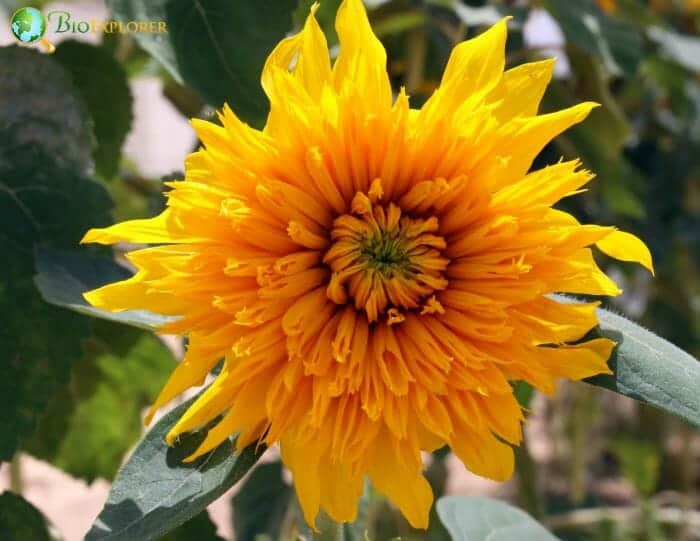
Sunflower is the common name of one of the plants in the Helianthus genus in the flowering Asteraceae family (known as the asters, daisies, or sunflower family). The inflorescence is a large disc with a 10 to 30 cm diameter and consists of 16 to 30 golden yellow florets.
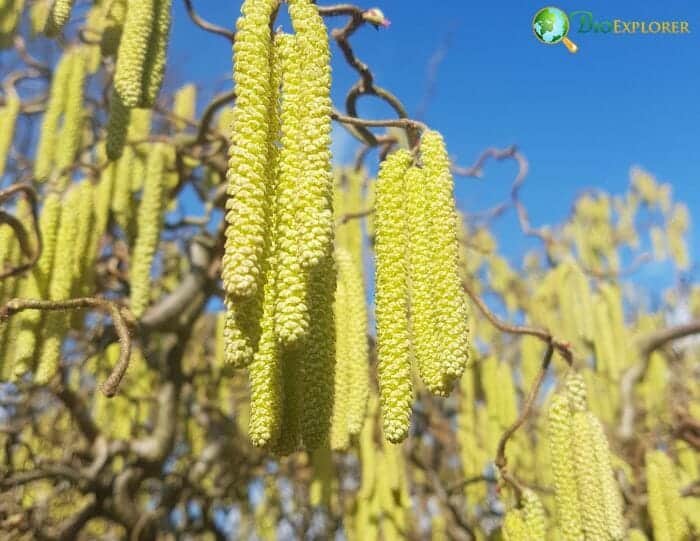
Hazelnut (Corylus avellana), commonly referred to as cobnut or European filbert, is a deciduous, multi-stem, brush-like sucker shrub that usually reaches a height of 12 to 20 feet. The pale gray-yellow, somewhat conspicuous male flowers appear on hanging, stalk-less catkins (2 to 3 cm long). The inconspicuous female blooms with red stigmas flower above the male catkins.
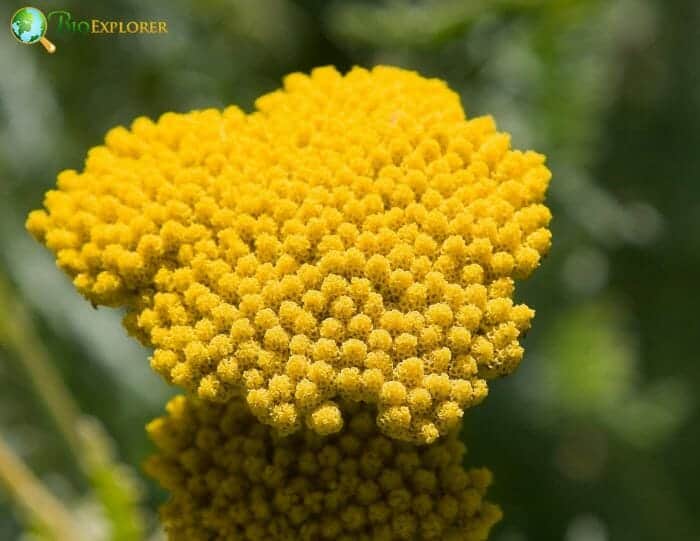
Fernleaf Yarrow is an especially richly decorated, tiny, bright, long-lived golden flowering plant which is a representative of the yarrow genus (Achillea). This particular species of the genus Achillea is among the tallest and is related to Achillea millefolium (Common Yarrow).
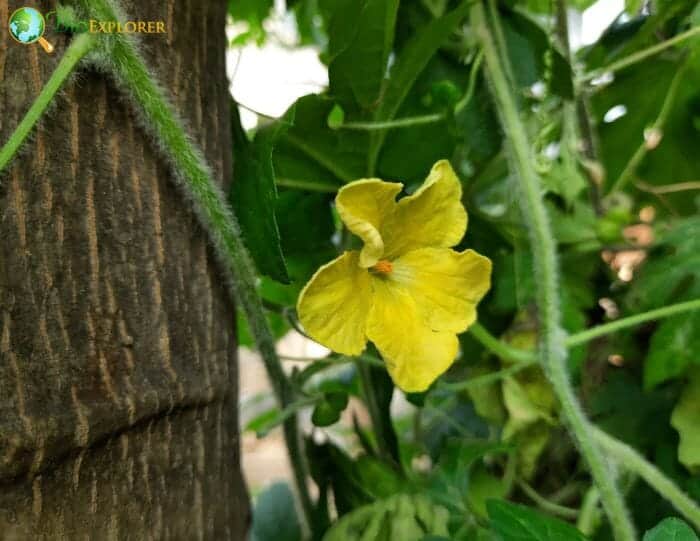
Elastic Momordica is an annual, climbing, or extensive perennial, monoecious herbaceous plant, 2 to 3 meters tall. It can be slightly hairy or hairless. The golden-yellow flowers are erect individually in the axils of the upper leaves on stems 2-10 cm long.
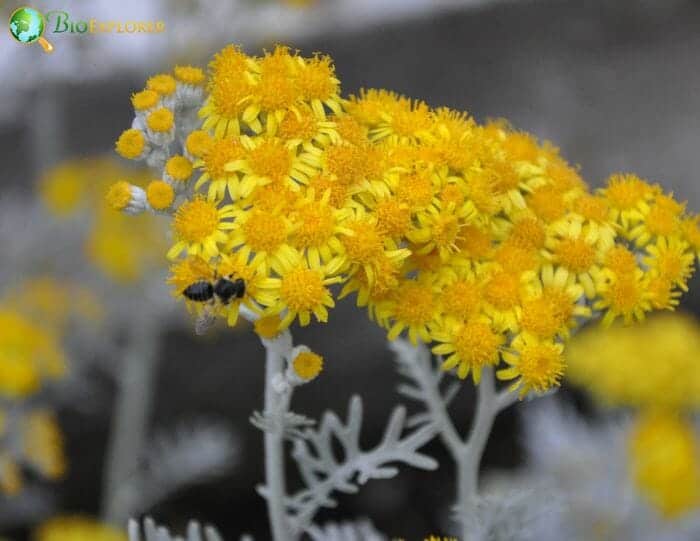
Dusty Miller (Jacobaea maritima) is a garden staple and will possibly never go outdated. With its lacy texture and showy silver leaves, this plant looks gorgeous during the growing season. The flowers are yellow and reach full bloom in midsummer, the flowering time. Once the flowers are fully grown, they are very noticeable.
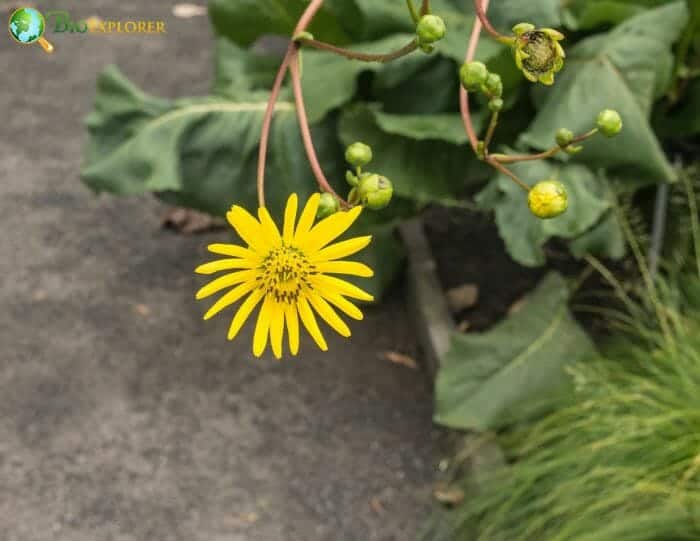
Dock is a perennial herb with a hard, reddish, unbranched stem that reaches 1 to 3 feet in height. The leaves of the Dock plant are alternate, ovate to lanceolate, and 30 centimeters long. The flowers are small, greenish, and 5mm wide and bloom from June to October.
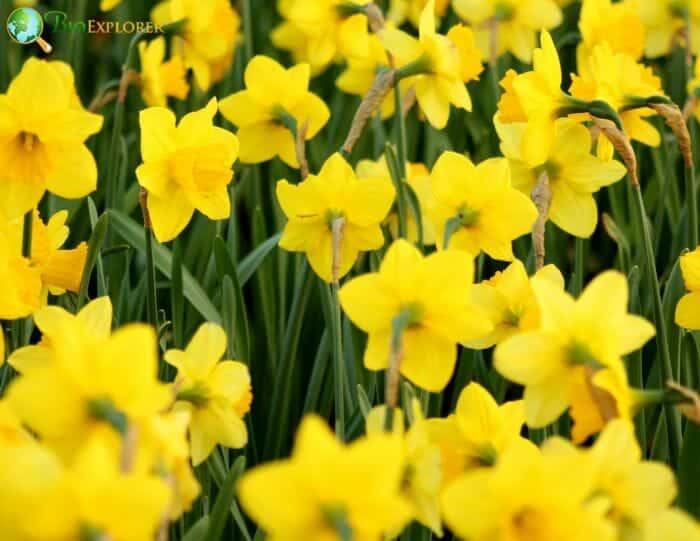
Daffodils herald spring and the awakening of nature with their trumpet-shaped blooms. They are among the few plant species that can successfully grow in snow. Daffodils are typically golden in color. However, there are new varieties of daffodils in pink, green, orange, yellow, and white.
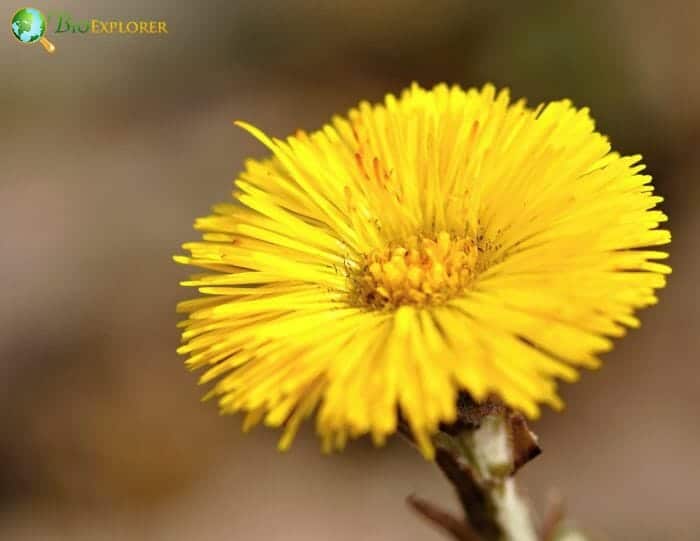
Coltsfoot (Tussilago farfara) is a perennial herb in the Asteraceae (sunflower) family native to North Africa, Europe, and parts of Asia. Coltsfoot is the only recognized species in the Tussilago genus. The bright yellow flowers appear in early spring before the leaves appear.
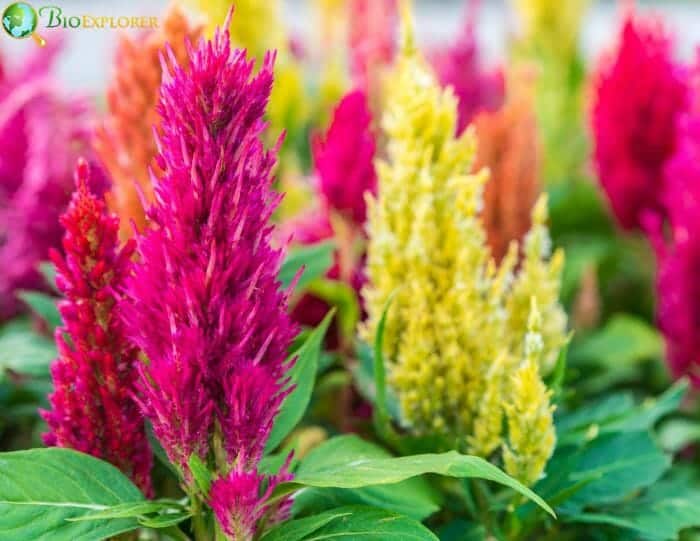
The great diversity of Celosia in tropical Africa indicates an origin in this region. Celosia includes around 50 species. Few flowers are as showy as Celosia.Celosia is characterized by its purpleor bright redflowers.
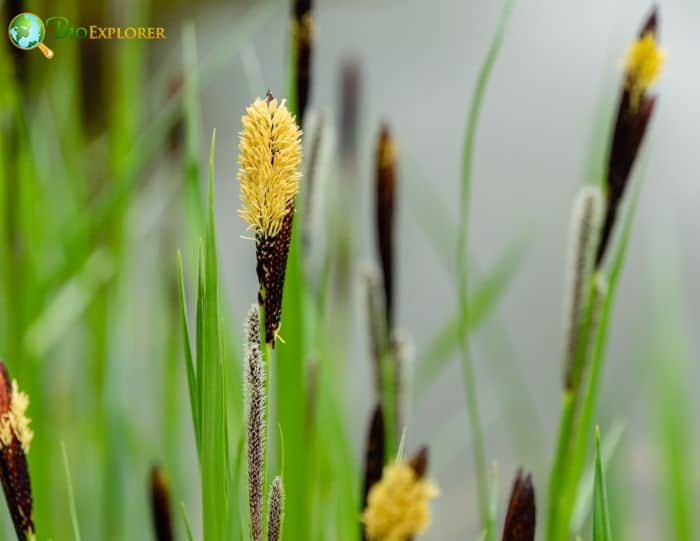
Carex is a large genus of over 2,000 species of herbaceous plants in the Cyperaceae family. All Carex species have cool seasons and grow most actively in spring and fall. Carex flowers bloom in yellow, red, brown, and green.
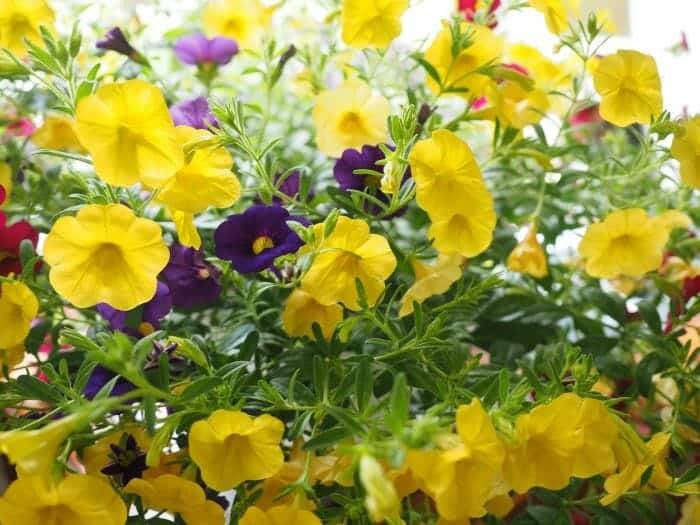
Calibrachoa is sometimes seen adorning cascading planters or hanging baskets and other containers, a hardy, and delicate flower. It’s not the most popular choice in terms of formal arrangements and bouquets. Still, when presented as a potted plant, Calibrachoa is a flower with deep symbolism for its recipient.
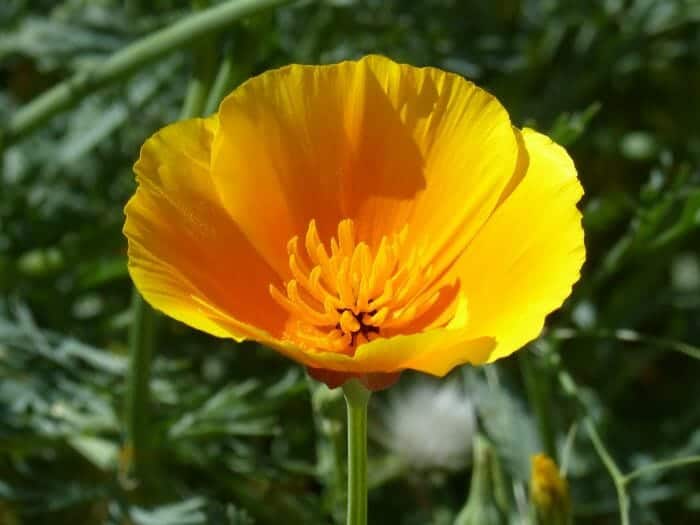
The California Poppy (Eschscholtzia californica) became California’s official state flower on March 2, 1903. The four-petal desert flowers, borne on stems 8 to 12 inches (20 to 30 cm) long, are typically cream, orange, or pale yellow. Still, cultivars are white and in a variety of pinks and reds.
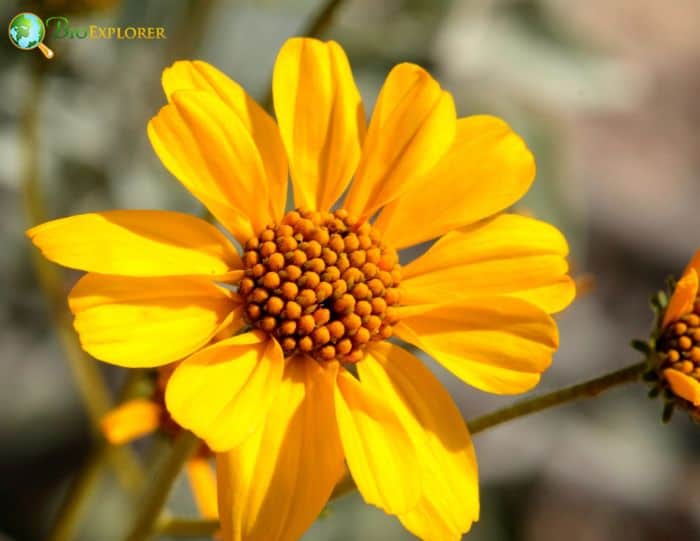
Brittlebush is a common desert shrub under the family Asteraceae. The plant can grow up to 1-5 feet tall and 4 feet wide. Research showed that the Encelia farinosa intrinsic water-use efficiency manifested strong responses to climate change.
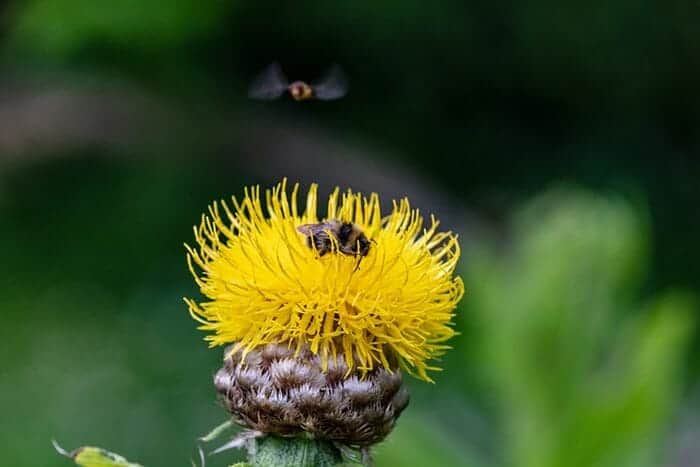
Bighead Knapweed flower features a beautiful, showy yellow thread-like bloom, but make no mistake – the Bighead Knapweed is very invasive. It also features a large taproot that becomes more resilient with age. The leaves are lanceolate and 10 to 30 inches long with slightly pointed ends.
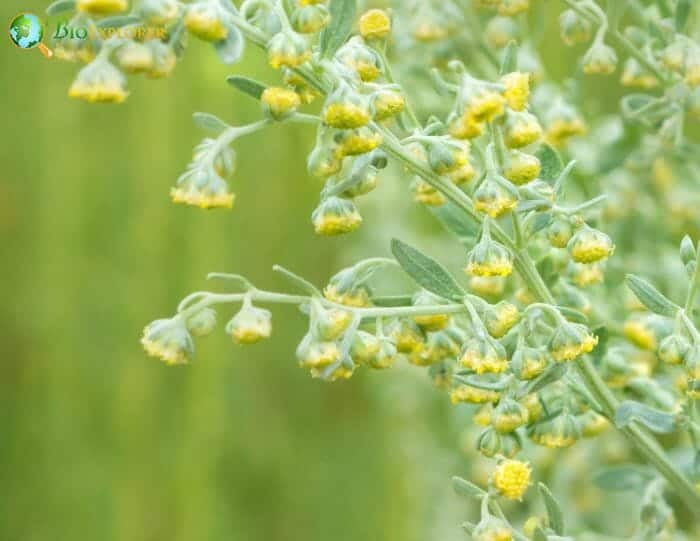
Artemisia is a large and diverse genus of aromatic, mostly perennial shrubs and herbs of the Asteraceae (daisy) family, characterized by alternating leaves and small inflorescence. All have alternate leaves, tubular yellow flowers, and small flower heads, which appear as hanging, racemose, paniculate, or capitate inflorescences, rarely individually.
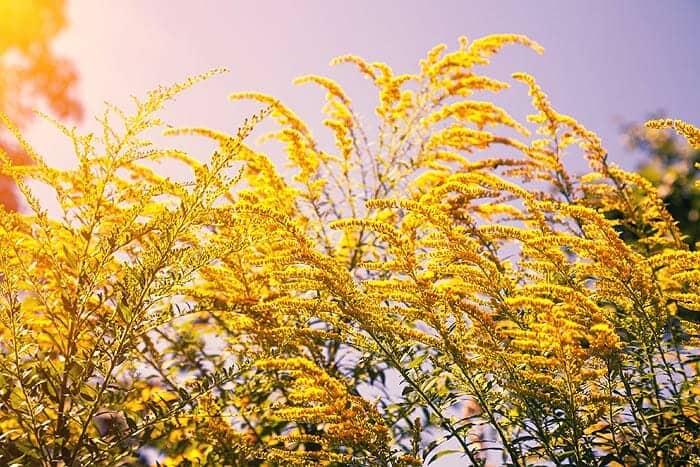
Ambrosia flowers were well-known in both Victorian floral language and ancient Greek myth. Most species of Ambrosia are native to North America, including the most common ones. Ambrosia is an entire genus of related plants, also commonly referred to as ragweeds.
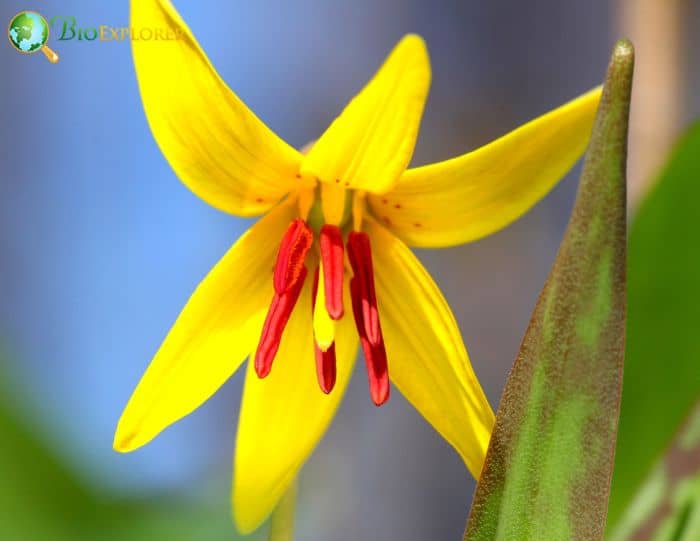
Erythronium americanum is a perennial herb that belongs to the family Liliaceae. This species is a native range of Eastern North America. The common name of Adder’s Tongue is given because of the shape of the flowering shoot.
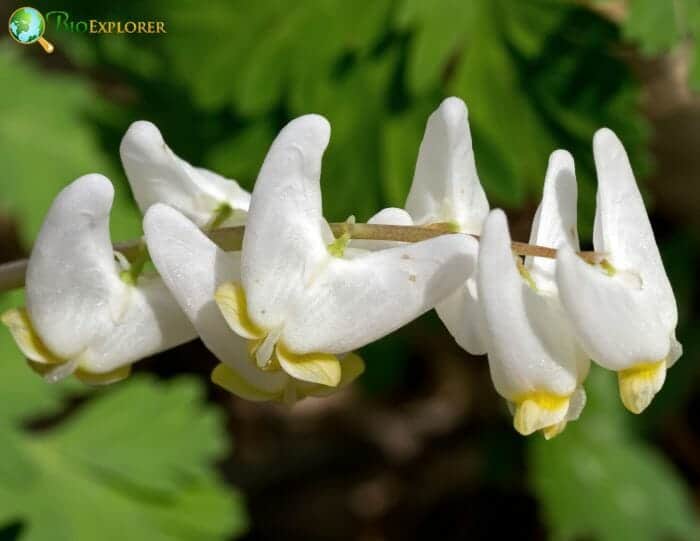
Dutchman’s Breeches (Dicentra cucullaria) is a graceful and easily recognizable wildflower in spring often found on gorges, valleys, ledges, slopes, rock forests, forest floors, and streams throughout most of the United States. It features deeply incised grayish-green fern foliage and clusters of waxy white flowers (rarely pink).
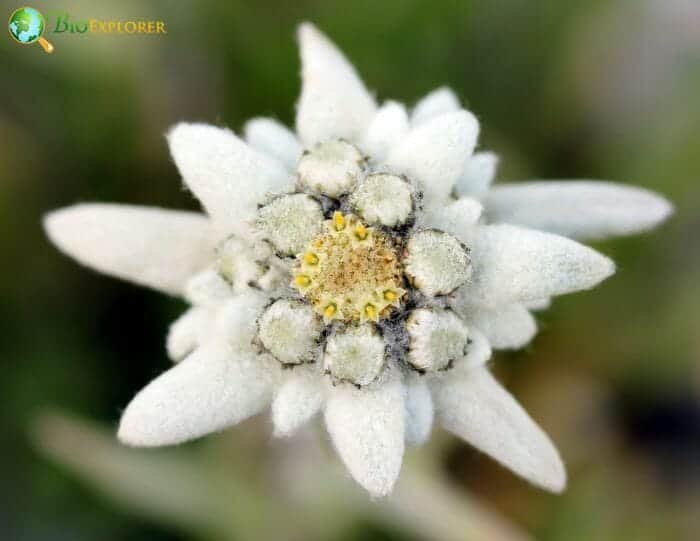
As a plant that symbolizes high mountains, the edelweiss has many admirers. We appreciate its tender beauty and the myths that surround it. The alpine edelweiss is the sole representative of the 40 known species of edelweiss found in the mountains of Asia and Central Europe. The delicate, vivid white flowers of this plant are legendary.
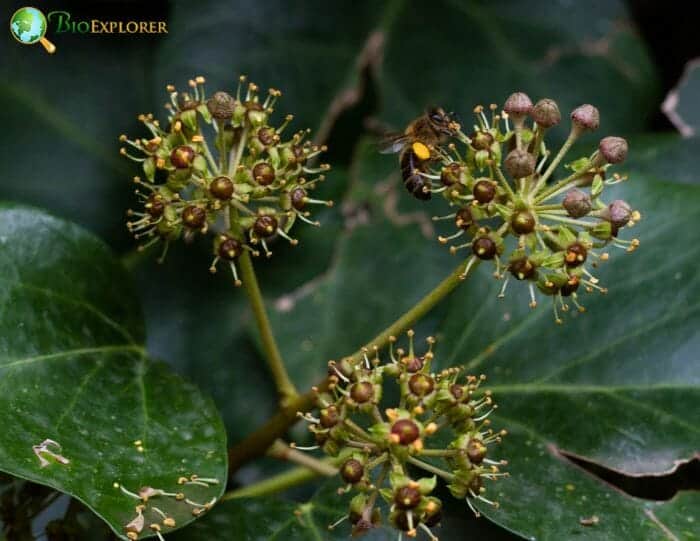
Hedera helix, commonly known as English ivy, is an aggressive, vigorous, fast-growing enduring perennial primarily cultivated as a trailing ground cover or climbing plant. On the contrary, they form round – greenish umbrella-like clumps – white flowers in early autumn.
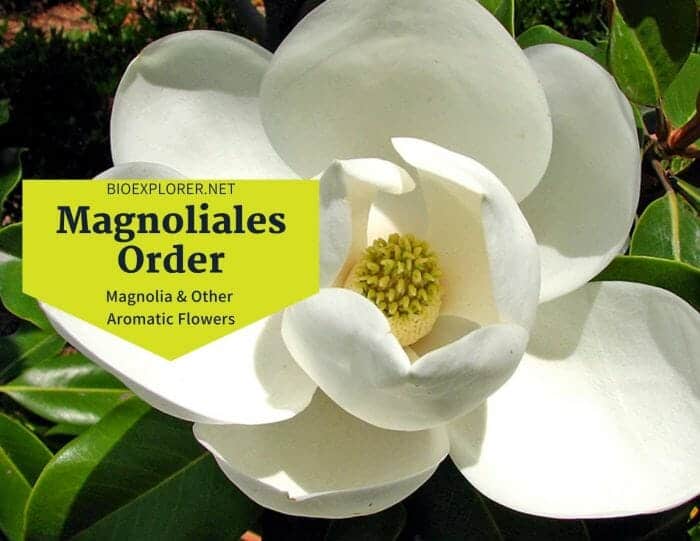
Magnoliales is the oldest flowering order that existed before bees were evolved. Angiosperms in this order comprise 6 families, 128 genera, and approximately 3,140 species. Nutmeg, Lancewood, Magnolia grandiflora, charismatic Michelia champaca, and Degeneria roseiflora (endemic to Fiji) are some of the examples of Magnoliales order.
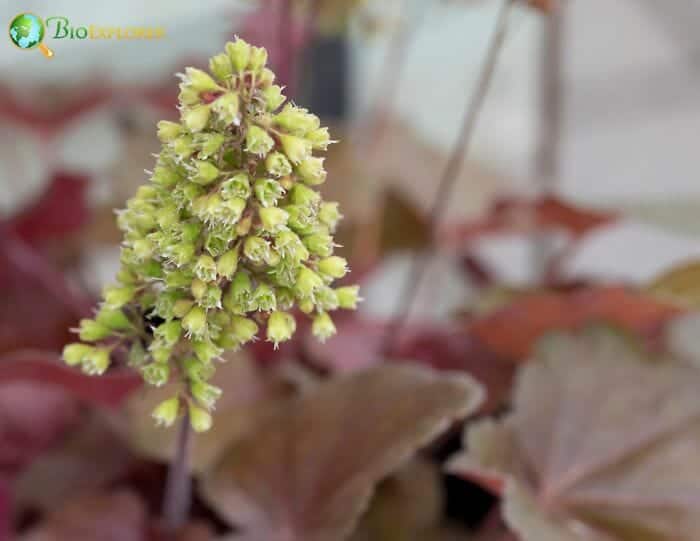
Coral bells (Heuchera Americana) are the world’s perennial coleus. First, these plants came in soft colors with small, insignificant flowers. Now they are available in a wide range of colors, with some varieties explicitly cultivated for their flower masses. The small, greenish-white flowers in airy, open panicles are borne on slender, thread-like stems extending well above the mound of leaves, typically 18-24 inches high in late spring and early summer.
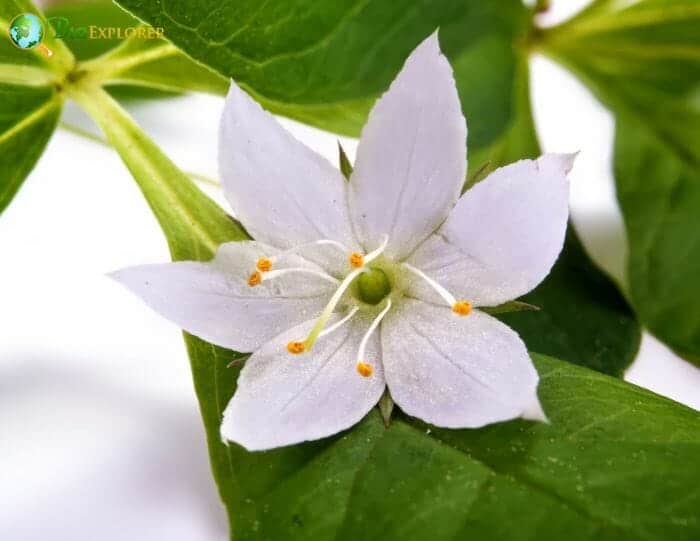
Trientalis borealis is a star-shaped perennial wild-flowering plant native to the North American forests that bloom from May to June. Each stem has a whorl of 5 to 9 lance-shaped leaves at its end, with 1 or 2 white, green, or brown flowers on smaller stems extending from the center of the whorl.