40 Different Types of Birds

Types of Birds

Types of Birds: Birds are some of the most successful vertebrate animals on Earth. There are more than 10,000 bird species, and they are spread over the whole planet, from the poles to the equator.

Ornithology is the study of birds, and it comes under branches of zoology. The word ‘Ornithology’ is derived from 16th-century Latin word ornithologia meaning “bird science“.

Due to their ability to fly, birds have managed to occupy unique ecological niches, which helped them survive the demise of their close relatives – dinosaurs.

Let us explore the astounding kinds of birds in the class Aves!

Jump to:

Types of Birds

Types of Birds

Because of the constant flow of the new data obtained due to the progress with DNA sequencing, the classification of birds and relationships between orders and families is continually changing. The latest classification contains 40 orders of birds instead of 23 bird orders in the previous one.

Waterfowl Birds (Anseriformes)

Waterfowl Birds (Anseriformes)
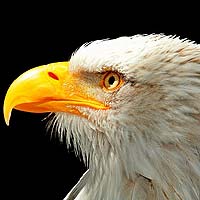
The next kind of birds is from the order Anseriformes. Most of the birds in this classification are known birds such as ducks, swans, and geese. Birds in this order are called Waterfowl birds as they live near water sources such as marine bodies or freshwater ponds.
Hummingbirds & Swifts (Apodiformes)

Hummingbirds & Swifts (Apodiformes)
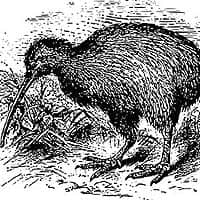
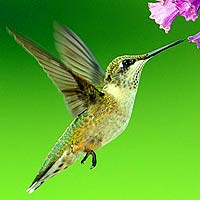
As per the latest taxonomic classification, both hummingbirds and swifts belong to the order Apodiformes. Most of the birds in this order are very tiny and have “underdeveloped” feet. About 10% of the bird species in this group are threatened or endangered.
Kiwis & Extinct Birds (Apterygiformes)
Kiwis & Extinct Birds (Apterygiformes)

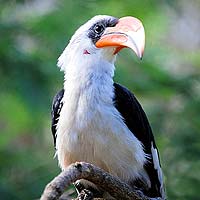
The next group of birds belongs to order Apterygiformes, which is composed of flightless birds that live on the ground, such as the famous Kiwi – the national bird of New Zealand. A unique feature of these monogamous kiwis is their long, flexible beak with a downward curve on the end. Most bird species in this order are extinct now.
Hornbills & Hoopoes (Coraciiformes)

Hornbills & Hoopoes (Coraciiformes)
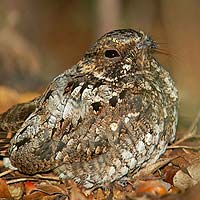
These types of birds were previously belonged to order Coraciiformes. However, now they are classified into a separate order of their own called Bucerotiformes. This order includes hornbills, hoopoes, and woodhoopoes. The prominent feature of all birds in this taxonomy is their large and hard bills.
Seriemas (Cariamiformes)

Seriemas (Cariamiformes)

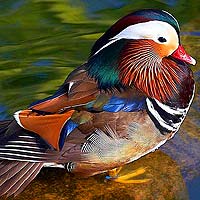
Both present-day and extinct species of birds belong to this bird order – Cariamiformes such as Seriemas. These birds are terrestrial birds that live on the ground and seldom fly. Interestingly, the heads of seriemas are similar to the heads of hawks. Seriemas are restricted to South America only.
Emus & Cassowaries (Casuariiformes)

Emus & Cassowaries (Casuariiformes)
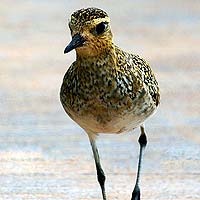
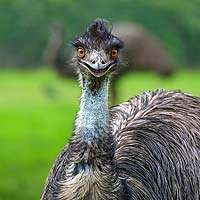
Casuariiformes order contains two families of flightless terrestrial birds that are both native to Australia: emus and cassowaries. Previously, these herbivorous birds were grouped with Kiwis but later classified into their own order now. These monogamous birds are enormous and heavy, up to 55 kgs. Females are usually larger than males.
Shorebirds (Charadriiformes)

Shorebirds (Charadriiformes)
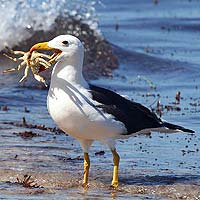
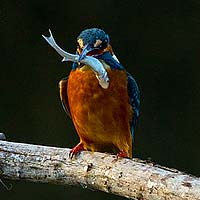
Charadriiformes is one of the very most extensive bird orders. There are about 350 bird species in it. Surprisingly, these birds have varied in size from 0.006 to 4.4 pounds. As the name suggests, shorebirds live near the water: in wetlands, freshwater, seawater shorelines, and sometimes near the ocean. Some examples of shorebirds include the Great auk, Crested Auklet, Horned Puffin, and African Jacana.
Storks, Herons & Vultures (Ciconiiformes)
Storks, Herons & Vultures (Ciconiiformes)

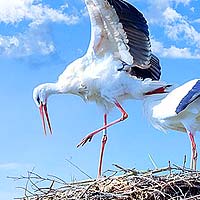
The next group of birds also live near the water or are fully aquatic is called Ciconiiformes. Most Ciconiiformes have long necks, long beaks, and feet without webbing. The plumage of most species in the order combines the most uncomplicated colors – grey, white, and black. Currently, 21 species of Ciconiiformes are seriously threatened.
Mousebirds (Coliiformes)

Mousebirds (Coliiformes)

Coliiformes is the smallest bird order which consists of only 6 species of tiny mousebirds. These mousebirds are found in sub-Saharan Africa. These herbivorous birds are social and often found in small groups. Coliiformes nest in colonies.
Pigeons and Dodos (Columbiformes)

Pigeons and Dodos (Columbiformes)
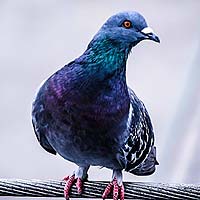
Columbiformes order embraces both extinct and living species of pigeons (or doves), as well as the famous dodos. Pigeons are known for feeding their young “bird milk” very similar to the milk of mammals. The species of this order can be found almost everywhere.
Cuckoos, Roadrunners & Koels (Cuculiformes)
Cuckoos, Roadrunners & Koels (Cuculiformes)

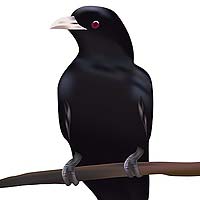
Cuculiformes is one of the most famous bird orders, as it contains parasitic bird species – cuckoos. These birds place their eggs into the nests of birds of other species, and the hatched chicks destroy all other eggs or chicks in the nest. Many birds in the order are very vocal.
Kagus & Sunbitterns (Eurypygiformes)

Kagus & Sunbitterns (Eurypygiformes)
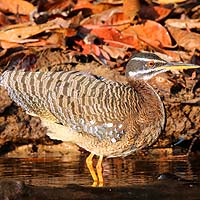
Eurypygiformes order contains only a few species, and some of them are already extinct (Lowland kagu and Aptornis). The New Caledonian endemic kagu and sunbittern are two living species in the order. Both the kagu and the sunbittern have plumage with an intricate pattern.
Falcons (Falconiformes)

Falcons (Falconiformes)

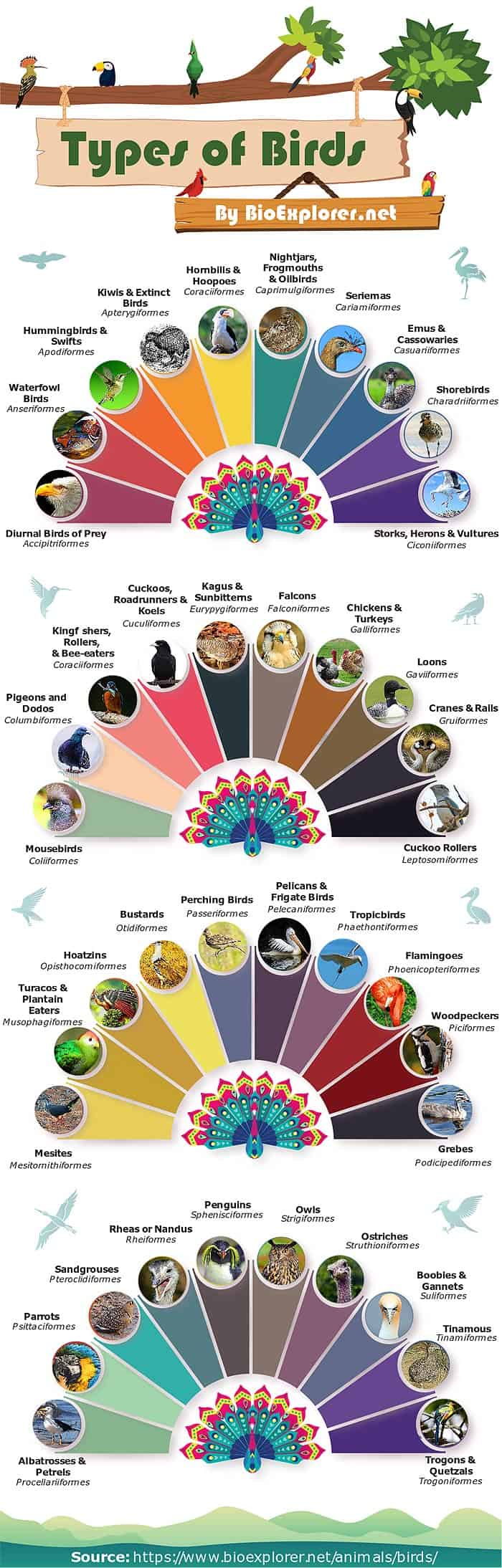
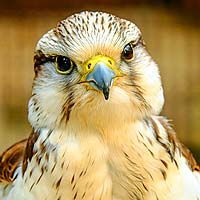
Birds in Falconiformes order are highly efficient predators – Falcons. All these brown-eyed falcons have hooked bills that help tear up the prey. All these birds have well-developed sight and hearing. Currently, many Falconiformes species are endangered.
Chickens & Turkeys (Galliformes)

Chickens & Turkeys (Galliformes)
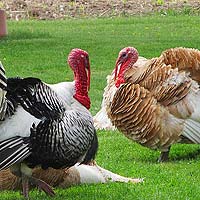
This large and diverse group of birds in order Galliformes includes species traditionally crucial to humans as domestic birds and hunting fowl (Chickens and Turkeys). Many Galliformes have bright crests and ornamental tails. These birds prefer walking & running than flying and predominantly feed on the ground.
Loons (Gaviiformes)

Loons (Gaviiformes)

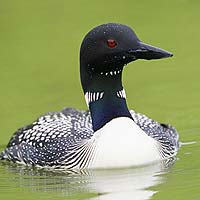
This next types of birds belong to order Gaviiformes which contains several species of birds that live and hunt on the water – Loons. These sturdy webbed feet birds swim on the water to eat fish. Interestingly, the feet of loons are placed closer to their tails, so they have difficulty walking on land!
Cranes & Rails (Gruiformes)

Cranes & Rails (Gruiformes)

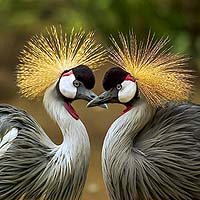
Gruiformes order contains very diverse birds, both in size and other features. The most important species of Gruiformes are cranes and quails, but there are also other less-known species. Many Gruiformes have long, slender bills and long & strong legs. These birds are known for special mating rituals!
Cuckoo Rollers (Leptosomiformes)

Cuckoo Rollers (Leptosomiformes)
Cuckoo roller belongs to an exclusive bird order – Leptosomiformes which contains just this bird species. Cuckoo rollers live in the Comoro Islands and Madagascar. Surprisingly, the eyes of cuckoo rollers are set back in the face. These birds live primarily in forests and feed on insects.
Mesites (Mesitornithiformes)

Mesites (Mesitornithiformes)

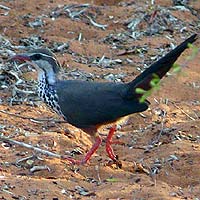
Mesitornithiformes order contains three species of Mesites found only in Madagascar. They are related to doves. Mesites are small birds. Mesites are nearly flightless and spend most of their time on land. Currently, all mesites are endangered.
Turacos & Plantain Eaters (Musophagiformes)
Turacos & Plantain Eaters (Musophagiformes)

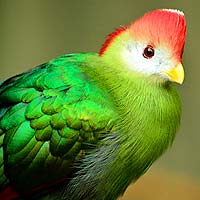
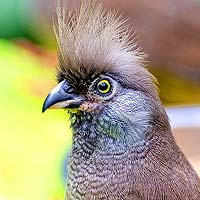
The next bird order Musophagiformes contains birds that are found in sub-Saharan Africa, namely turacos and plantain eaters. Musophagiformes have a long tail compared to the overall body length. All of the birds in the order have a crest on their heads. Pigments in these birds’ feathers are copper-based, which is unique in the bird kingdom.
Hoatzins (Opisthocomiformes)

Hoatzins (Opisthocomiformes)

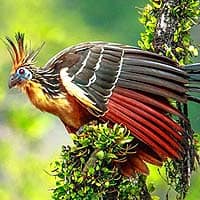
Previously, it was thought that Hoatzins was related to Galliformes, but recently they were assigned to a separate order – Opisthocomiformes. The faces of hoatzins are bare and blue. These herbivorous Hoatzins have a crest on their heads that resembles a fan!
Bustards (Otidiformes)

Bustards (Otidiformes)

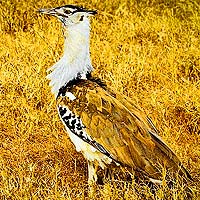
The birds of the order Otidiformes may belong to the bigger clade Gruiformes in some classifications. However, these birds (Bustards) have several conspicuous characteristics that place them apart, from appearance to behavior. Otidiformes birds prefer walking and running but can fly when frightened.
Perching Birds (Passeriformes)

Perching Birds (Passeriformes)
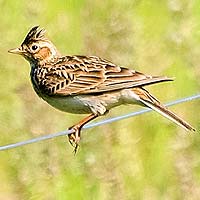
The next types of birds are perching birds which are in the order Passeriformes (the largest bird order in the bird kingdom). All passerines have 12 tail feathers and strong muscles in their voice box or syrinx. Some examples include all types of crows, Oriental Skylark, Rufous Hornero, Long-tailed tit, and Asian fairy bluebird.
Pelicans & Frigate Birds (Pelecaniformes)
Pelicans & Frigate Birds (Pelecaniformes)

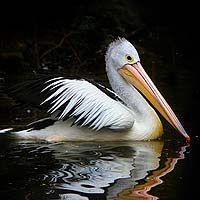
The next set of birds come under Pelecaniformes which unites several families of water birds such as pelicans, cormorants, and frigatebirds. These birds can be found on the coastline of freshwater basins and marine habitats. Many bird species in this order are critically endangered, and some are even extinct.
Tropicbirds (Phaethontiformes)

Tropicbirds (Phaethontiformes)
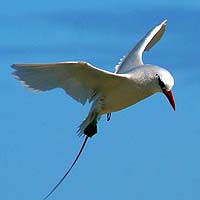
The tropical birds are closely related pelicans and comprised of sea birds in the order Phaethontiformes. There are only three tropicbirds in this order: Red-billed, White-tailed, and Red-tailed. As the name suggests, these birds are usually found in tropical and subtropical regions.
Flamingos (Phoenicopteriformes)

Flamingos (Phoenicopteriformes)
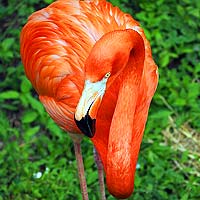
Flamingoes belong to the order Phoenicopteriformes which contains only six species of flamingoes. All Phoenicopteriformes are tall & large birds and have several unique traits. Flamingoes have bristles inside the bills and on their tongues. Explore what do flamingos eat here.
Woodpeckers (Piciformes)

Woodpeckers (Piciformes)

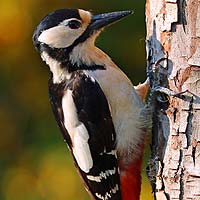
Woodpeckers are the next types of birds belong to the order Piciformes. The main uniting feature of Piciformes is their tendency to nest in tree cavities. Piciformes have strong jaw muscles. Some examples of Piciformes are Puerto Rican Woodpecker, Downy woodpecker, Northern flicker, Brown jacamar, and Moustached Puffbird.
Grebes (Podicipediformes)

Grebes (Podicipediformes)

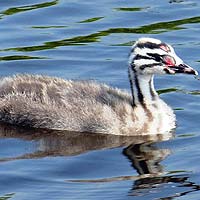
The order Podicipediformes contains birds that live mainly in freshwater or near the coast. Interestingly, these birds are different from other known waterbirds. The nails of Podicipediformes are flat. Grebes make floating nests on the water. Some species of Grebes are great crested grebe, red-necked grebe, and short-winged grebe.
Albatrosses & Petrels (Procellariiformes)
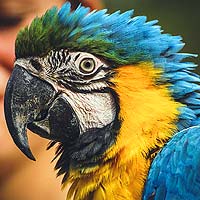
Albatrosses & Petrels (Procellariiformes)

The next bird order Procellariiformes unites sea birds that come on land only for the breeding season! Procellariiformes have a long, hooked bill with tubular nostrils. These birds can eject foul-smelling stomach oil as a defense against predators. Laysan albatross, Shy albatross, Peruvian diving petrel, and Black-capped petrel are examples of species in Procellariiformes.
Parrots (Psittaciformes)

Parrots (Psittaciformes)

The most beloved birds are parrots which belong to the bird order Psittaciformes. The most recognizable feature of parrots is a short, curved beak. Parrots are known for their intelligence and ability to mimic sounds. Some parrot species are Rose-ringed parakeet, Gray parrot, Rainbow lorikeet, white cockatoo, and Kakapo (endangered).
Sandgrouses (Pteroclidiformes)

Sandgrouses (Pteroclidiformes)
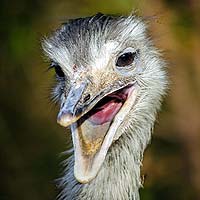
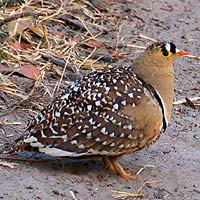
Previously, Pteroclidiformes was a part of a family of Charadriiformes. It unites several species of desert birds (Sandgrouses), and they are now a separate order. Sandgrouse has pointed wings. Most of the Pteroclidiformes have pinlike central feathers. Tibetan sandgrouse, Spotted sandgrouse, Black-faced Sandgrouse, and Lichtenstein sandgrouse are some of the species of Pteroclidiformes.
Rheas or Nandus (Rheiformes)

Rheas or Nandus (Rheiformes)

Rheiformes is a small order of large flightless birds (Rheas) that are similar to emus and ostriches, but they are smaller than ostriches. Most of the species in this order are extinct. Rheas have large wings that they can spread like sails while running. These birds are found in South America.
Penguins (Sphenisciformes)

Penguins (Sphenisciformes)

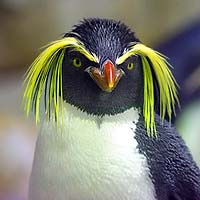
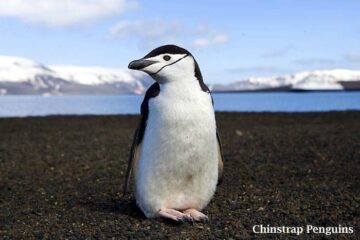
All of the birds (penguins) in the order Sphenisciformes live in the Southern hemisphere. They mostly live in the ocean or near the ocean’s coast. The bills of penguins are long and compressed from the sides. There are 27 types of penguins in the world, which includes the notable species such as Emperor penguin (largest), Galapagos penguin, and Gentoo penguin.
Owls (Strigiformes)

Owls (Strigiformes)

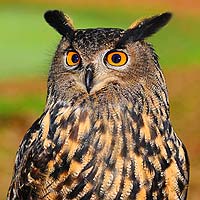
Strigiformes order unites mostly nocturnal and carnivorous birds. Owls have unique soft plumage. All owls have a so-called facial disk that frames the eyes and the bill. Owls use cavities in trees or abandoned nests instead of building their own. There are 244 known types of owls in this order.
Ostriches (Struthioniformes)

Ostriches (Struthioniformes)

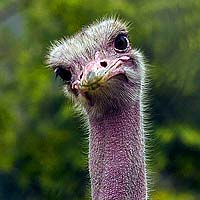
Struthioniformes order contains the only species – Ostriches. Ostriches are different from other ratites – birds without a keel. Ostriches are polygamous and form harems. Interestingly, Ostriches have zero feathers on their legs and necks. Some example subspecies of the common ostrich are North African ostrich, Masai ostrich, and Arabian ostrich (extinct).
Boobies & Gannets (Suliformes)

Boobies & Gannets (Suliformes)
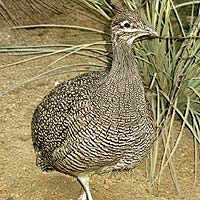
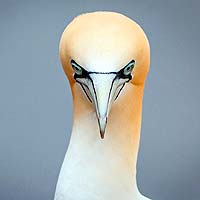
Suliformes order unites sea birds that nest in colonies such as boobies and gannets. Previously, they used to belong to the same order as frigate birds (Pelecaniformes). However, they are in their own order – Suliformes. All Suliformes are marine species and spend much of the year far from land. Species in this order are diverse, and here are some examples: Adams Booby, Red-footed booby, Masked booby, and Australasian Gannet.
Tinamous (Tinamiformes)

Tinamous (Tinamiformes)

Order Tinamiformes contains several families of chicken-like birds (tinamous) that live predominantly in neotropics. Tinamous can fly but prefers to stay on the ground. Tinamous have short wings and short tails. White-throated tinamou, Hooded tinamou, Barred tinamou, Chilean tinamou, and dwarf tinamou are some examples of species in this order.
Trogons & Quetzals (Trogoniformes)

Trogons & Quetzals (Trogoniformes)

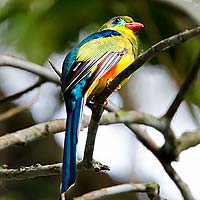
The last type of birds belongs to the bird order Trogoniformes which hosts birds such as trogons & quetzals, that mostly live in warmer areas. All Trogoniformes are brightly colored and have long tails. This bird order includes species such as Narina trogon, Red-naped trogon, Cuban trogon, Mountain Trogon, Pavonine Quetzal, and Resplendent Quetzal.

Birds Native To The USA

Fabulous Florida Birds

Fabulous Florida Birds

Because of its unique geographic location and suitable tropical climate, Florida is home to some of the most awesome birds ever discovered. Here, we explore the top 10 most spectacular birds of Florida, which are native to the state of Florida, from Scrub-Yay to Killdeer and much more.
Famous Hawaiian Birds

Famous Hawaiian Birds

Hawaii is home to a tremendous diversity of a wide array of birds. Here are 11 of the most endangered Hawaiian Birds with their scientific names and facts. Situated in the middle of the Pacific Ocean, the islands of Hawaii exhibit a vast diversity of flora and fauna and these amazing birds of Hawaii.
Terrific Texas Birds

Terrific Texas Birds

Texas has rich bird wildlife because of its geographic location and diverse regions. It is even considered the most diverse bird state in the United States. Here is the list of some of the most famous Texas birds that are native to Texas.
Classic Colorado Birds

Classic Colorado Birds

Colorado has many potential bird habitats: grasslands, alpine forests, and tundra. Here are the top 15 amazing birds of Colorado and their interesting facts.
Magnificent Birds of Michigan

Magnificent Birds of Michigan

Michigan has various habitats inviting for different bird species. Explore the best birds of Michigan and their interesting facts here.
Outstanding Birds of Ohio

Outstanding Birds of Ohio

Ohio has 5 distinct geographical regions, from Lake & Till Plains to the Appalachian Plateau and Bluegrass Region. Find 15 Best Birds of Ohio here.
Birds of Massachusetts

Birds of Massachusetts

BioExplorer highlights some of the top 10 resident birds of Massachusetts out of 300+ bird species from the commonwealth, along with their locations in MA.
Marvellous Birds of Missouri

Marvellous Birds of Missouri

Here are the top 15 birds of Missouri and their fascinating fun facts, along with where one can spot each of them in the State of Missouri.
Birds of Oregon

Birds of Oregon

Oregon is notable for its diverse habitats, including alpine meadows, rainforests, pine forests, and much more. Find the top 10 Oregon birds, including its state bird (Western Meadowlark).
Birds of Washington

Birds of Washington

Explore the overview of 26 must-see top Washington Birds species including facts on goldfinches, owls, hawks, finches and more. This comprehensive guide will help with identification of birds of Washington.
Wonderful Birds of West Virginia

Wonderful Birds of West Virginia

West Virginia has majestic mountains in the Appalachian region, with 78% covered with forests. Explore top birds native to West Virginia here.
Top 10 Poisonous Birds

Top 10 Poisonous Birds

Among the different strategies deployed by birds to escape predation is the use of toxic chemicals (poison). Here are the top 10 poisonous birds in Aves family.
Read more
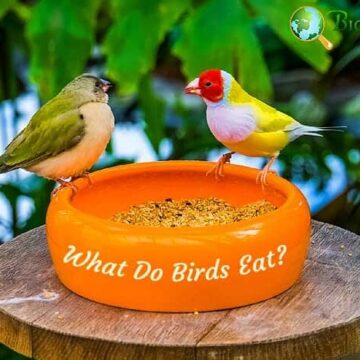
What Do Birds Eat?

What Do Birds Eat?

Most birds diet on insects, seeds, flowers, berries, while others (large birds) feed on mammals & reptiles. Find what do birds eat by types.
Read more

Birds By Countries/Territories/Continents
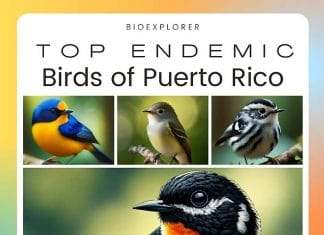
Birds of Puerto Rico
Birds of Puerto Rico

Birds of Puerto Rico: Explore Puerto Rico’s 18 uniquely evolved rainforest birds, from the Amazon parrot to the tiny Elfin Woods Warbler, facing threats from climate change and habitat loss while struggling to adapt niches vanishing through deforestation and development.
Read more
Birds of Africa

Birds of Africa

Birds of Africa: Home to over 2,000 bird species, the African continent boasts some of the most spectacular avian diversity on Earth. From tiny sunbirds to massive ostrich, dazzling birds occupy every habitat across Africa’s vast landscapes. Explore the top African birds here.
Read more

Types of Birds By Colors

Black Birds

Black Birds

Discover the top 30+ black birds’ mesmerizing beauty, unique behaviors, and fascinating facts. Dive into a symphony of wings and feathers as we explore these captivating dark birds shedding light on their mysterious allure.
Read more

Different Kinds of Birds

Adelaide's Warbler

Adelaide's Warbler

Preview a dry forest specialist, Adelaide’s Warbler (Setophaga Adelaide), whose preference for subtropical habitats, unlike mainland wood-warbler relatives, heightens both its inherent vulnerability and importance as a Puerto Rican endemic. Explore integrated conservation solutions that sustain warbler populations while supporting continued agricultural heritage across this region.
Read more
Adélie Penguin (Pygoscelis Adeliae)

Adélie Penguin (Pygoscelis Adeliae)

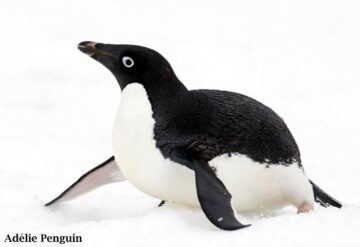
Adelie penguins are the smallest and most common penguin species in the Antarctic region. Learn their diet, anatomy, habitat, predators, fun & interesting facts, sound call, and an excellent video documentary.
Read more
African Penguin

African Penguin

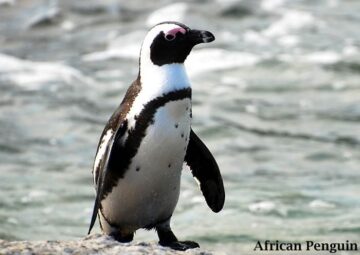
The African penguin is a medium-sized penguin that is believed to be the first species of penguin that was ever discovered. Learn African penguin facts, anatomy, habitat, diet, predators, life-span, sound call, and more.
Read more
Albino Crows

Albino Crows

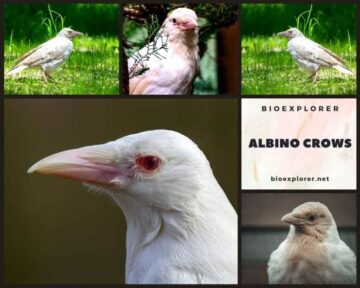
Rare genetic variants, albino crows reveal key insights into pigmentation, survival, and biodiversity despite the challenges posed by their bright white plumage that lacks the species’ typical protective camouflage.
Read more
American Crow

American Crow

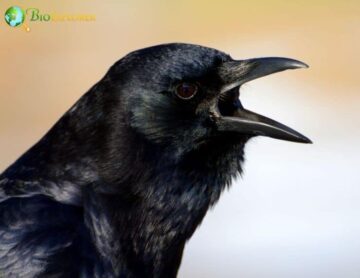
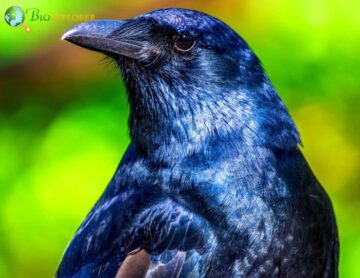
The American Crow is a large, glossy black bird recognized by its distinctive "caw" and confident walk. Common throughout North America, it thrives in a variety of habitats including forests, fields, towns, and cities. These birds are highly social, often living in family groups and gathering in large communal roosts during winter. American Crows are omnivorous and opportunistic, eating insects, seeds, small animals, carrion, and human food scraps. Notably intelligent, they are skilled problem solvers and quick learners. American Crows are curious, cooperative breeders, and adapt well to both urban and rural environments.
Read more
Anhinga

Anhinga

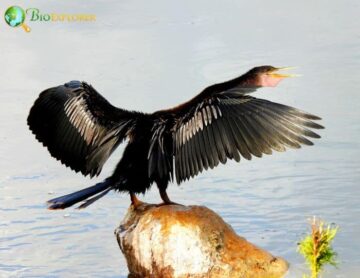
The Anhinga, also called the "snake bird" for its long, slender neck, is a large, mostly black water bird with a pointed yellow bill and silvery wing patches. Males have darker, glossy plumage, while females show a paler head and neck. Found in freshwater swamps, lakes, marshes, and slow-moving rivers from the southeastern U.S. to South America, Anhingas are expert divers, swimming underwater with only their head and neck exposed. Unlike most birds, they lack waterproofing oils, so they must spread their wings to dry after diving. Anhingas spear fish with their sharp bills and swallow them headfirst.
Read more
Black Scoter

Black Scoter

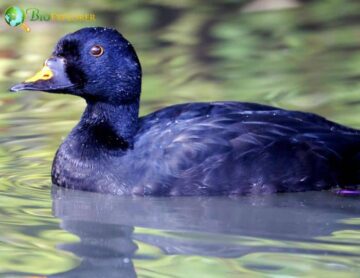
The Black Scoter is a chunky sea duck, with males easily recognized by their all-black plumage and a distinctive swollen yellow knob at the base of the bill. Females are dark brown with pale cheeks and throat. They breed in remote northern lakes and wetlands, mostly in Alaska and northern Canada, and winter along both Atlantic and Pacific coasts of North America. Black Scoters dive for food, feeding mainly on aquatic insects in freshwater and mollusks like clams and mussels in marine habitats. Black Scoters are monogamous, and their winter flocks can number in the thousands.
Read more
Black Vulture

Black Vulture

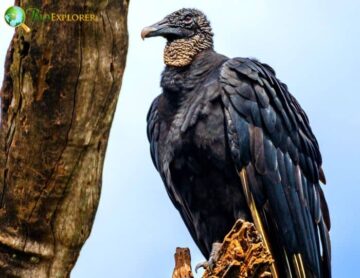
The Black Vulture is a large, stocky bird with sooty black plumage, a bare black head, and striking white patches near the wingtips. Found year-round in the eastern and southern U.S. through Central and South America, it thrives in open areas, woodlands, and even around towns. Black Vultures are highly social, often roosting and foraging in large flocks. They feed mainly on carrion, using keen eyesight to locate food, and sometimes follow Turkey Vultures to carcasses. Black Vultures mate for life, care for their young for months, and help clean the environment by consuming dead animals.
Read more
Black-billed Magpie

Black-billed Magpie

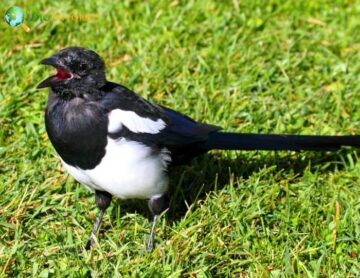
The Black-billed Magpie is a striking, medium-sized bird with a long iridescent tail, black head and back, and bold white patches on its wings and belly. Found in western North America, it thrives in open habitats like meadows, grasslands, and near human settlements. Magpies are highly social and intelligent, often seen in noisy flocks and known for their complex social displays. They build large, domed nests and mate for life. Notably, magpies sometimes gather around deceased companions in a behavior likened to a "funeral." Black-billed Magpies can recognize themselves in mirrors, a rare trait among birds.
Read more
Brandt's Cormorant

Brandt's Cormorant

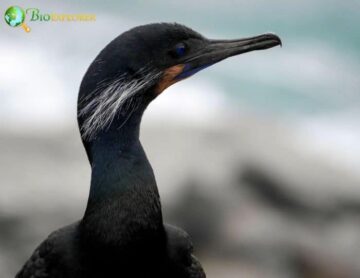
Brandt's Cormorant is a large, black seabird found along the Pacific coast from Alaska to Baja California. It is recognized by its thick neck, long body, and, during breeding season, a striking cobalt-blue throat patch and wispy white facial plumes. These dark-feathered birds nest in colonies on rocky islands and coastal cliffs, often building large nests from seaweed and debris. Brandt's Cormorants are excellent divers, capable of reaching depths over 200 feet to catch fish such as anchovies and herring. These black birds often forage in groups, working together to herd schools of fish for easier hunting.
Read more
Brown-necked Raven

Brown-necked Raven

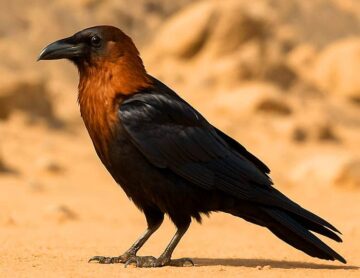
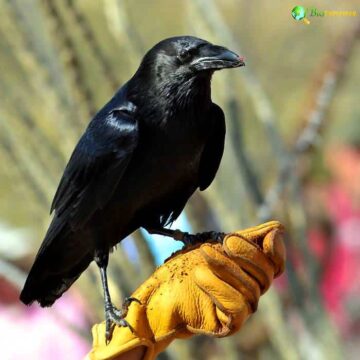
The brown-necked raven (Corvus ruficollis) is a clever, desert-adapted corvid found across North Africa, the Middle East, and parts of Asia. Recognized by its glossy black body and brown-tinged neck, this bird thrives in arid habitats, from rocky outcrops to human-altered landscapes. An opportunistic omnivore, it feeds on insects, carrion, fruit, and even trash. Known for its intelligence, aerial acrobatics, and cooperative behavior, the raven plays a crucial ecological role as a scavenger and predator. Its adaptability ensures resilience amid shifting environmental conditions.
Read more
Cape Crow

Cape Crow

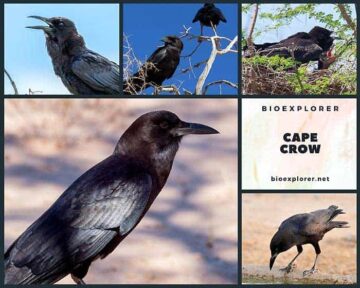
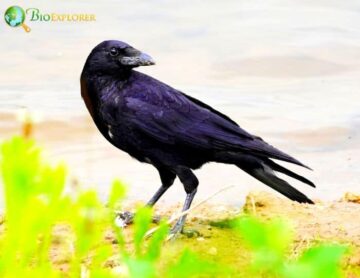
The Cape crow is a glossy black, intelligent bird native to eastern and southern Africa. Known for its large curved bill and deep “krrah” call, this corvid thrives in open grasslands, savannas, and farmlands. It plays a vital role in the ecosystem as both a predator and scavenger, helping control pests and recycle nutrients. Though sometimes viewed as a pest, it demonstrates advanced problem-solving, tool use, and social intelligence, making it a fascinating species among Africa's many types of birds.
Read more
Carrion Crow

Carrion Crow

The Carrion Crow is a medium-sized, glossy black bird native to Europe and Asia, recognized for its deep, guttural "kraa" call and solitary habits. Adaptable to a wide range of habitats-including woodlands, farmland, moors, coastal cliffs, and urban areas-it often perches in high places to survey its surroundings. Highly intelligent, Carrion Crows use tools, recognize human faces, and even cooperate with each other to hunt or defend territory. Their diet is varied, consisting of carrion, insects, seeds, fruit, and small animals. Offspring from previous years sometimes help parents feed new chicks.
Read more
Cassin's Finch

Cassin's Finch

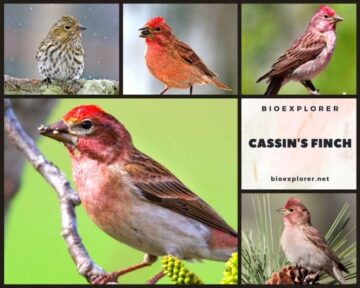
Learn about the Cassin’s Finch, a unique songbird of western North American mountain forests. This adaptable finch has complex songs, nomadic habits, and thrives across diverse coniferous habitats. Gain insights into this little-known species’ ecology and importance.
Read more
Chihuahuan Raven

Chihuahuan Raven

The Chihuahuan raven (Corvus cryptoleucus) is an intelligent desert-dwelling bird found in the southwestern U.S. and Mexico. Slightly smaller than the common raven, it features all-black plumage and hidden white neck feathers. Adapted to arid grasslands and scrub, it thrives as both a predator and scavenger. Known for its deep “kraaa” call and playful flight displays, this raven plays a vital ecological role and demonstrates impressive social behavior and adaptability in harsh environments.
Read more
Common Grackle

Common Grackle

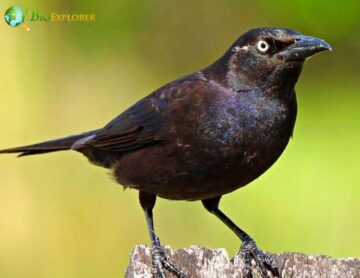
The Common Grackle is a large, long-tailed blackbird with striking iridescent plumage-males shimmer with purple, green, or blue gloss, while females are duller and browner. Found across eastern North America, grackles thrive in a wide range of habitats, from wetlands and fields to suburbs and city parks. Highly social, they often gather in massive flocks outside the breeding season. Their varied diet includes insects, seeds, grains, and even small animals. Grackles are known for their harsh, rusty-gate calls, and their communal roosts can number in the millions.
Read more
Common Raven

Common Raven

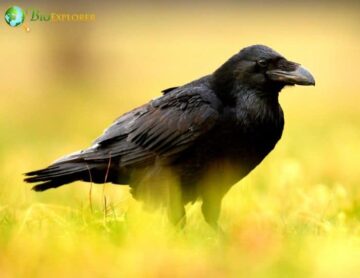
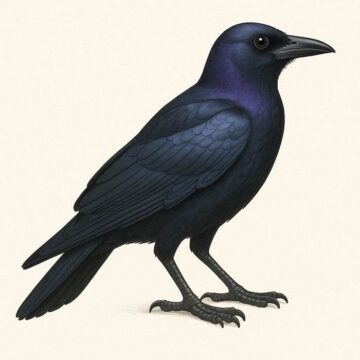
The Common Raven is one of the largest and most widespread black songbirds, easily recognized by its all-black plumage, thick neck, shaggy throat feathers, and wedge-shaped tail. Found across the Northern Hemisphere, it thrives in diverse habitats-from forests and mountains to deserts and coastlines, and even near human settlements. Ravens are highly intelligent, known for problem-solving, tool use, and playful behaviors like aerial acrobatics and object games. They are omnivorous, eating everything from carrion and small animals to grains and human food scraps. Ravens can mimic sounds, including human speech, and often cache food for later use.
Read more
Crowned Eagle

Crowned Eagle

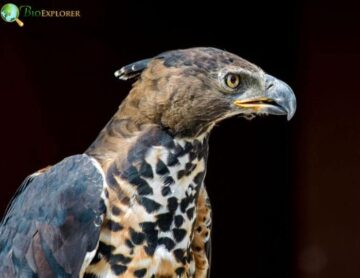
The Crowned Eagle, also known as the African Crowned Eagle, is a powerful raptor native to sub-Saharan Africa, favoring dense forests and woodlands. Recognizable by its striking dark crest and intense yellow eyes, this eagle boasts a wingspan of 5–6 feet and is considered Africa's most powerful eagle pound for pound. Its massive talons and strong legs allow it to hunt large prey, primarily monkeys, small antelope, and hyraxes, though it occasionally takes birds and reptiles. Crowned Eagles build enormous nests high in emergent trees, sometimes reusing them for over a decade. Their courtship includes dramatic aerial displays and prey offerings.
Read more
Double-Crested Cormorant

Double-Crested Cormorant

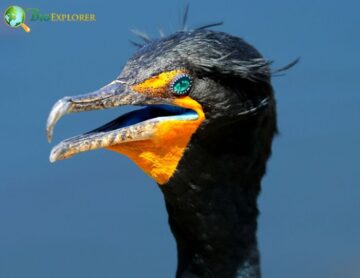
The Double-Crested Cormorant is a large, black waterbird with a long neck and orange-yellow facial skin. During breeding season, adults display two curly black or white crests on their heads. Found across North America in both freshwater and coastal habitats, they are highly adaptable, nesting in trees, on the ground, or even on artificial structures. These social birds often gather in colonies and are expert divers, feeding mainly on fish but also taking insects, crustaceans, and amphibians. After diving, cormorants are often seen perched with wings outstretched to dry, as their feathers are not fully waterproof.
Read more
Elfin Woods Warbler

Elfin Woods Warbler

Shadow, a timid highland insectivore, the Elfin Woods Warbler (Setophaga angelae), narrowly targets mature humid dwarf forest strangely resembling this tiny bird’s stunted, wind-sculpted features. Understand why accelerated warming and upslope development threaten to erase prime island refugia critical to this range-restricted species’ survival.
Read more
Eurasian Jackdaw

Eurasian Jackdaw

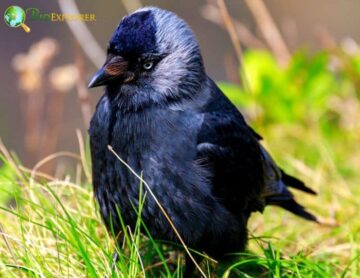
The Eurasian Jackdaw is a small, social member of the crow family, instantly recognized by its charcoal-black plumage, silvery-gray nape, and striking pale eyes. Native to Europe, western Asia, and North Africa, it thrives in a variety of habitats, from woodlands and farmland to cities and coastal cliffs. Jackdaws are highly gregarious, often seen in flocks performing acrobatic flights or gathering at communal roosts. They nest in cavities, chimneys, or cliffs and are known for their intelligence and curiosity, sometimes collecting shiny objects. Their varied diet includes insects, seeds, fruit, carrion, and even human refuse.
Read more
European Starling

European Starling

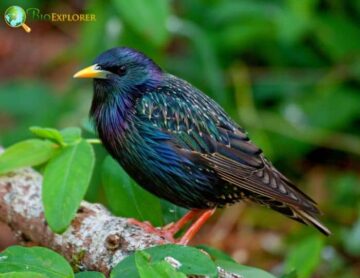
The European Starling is a medium-sized, black songbird with short, triangular wings, a short tail, and striking iridescent plumage speckled with white, especially in winter. During breeding season, adults display a yellow bill and a purple-green sheen. Native to Europe, Asia, and North Africa, starlings were introduced to North America in the 1890s and now number over 200 million. Highly social, they form enormous flocks and perform mesmerizing aerial displays called murmurations. Starlings are accomplished mimics, able to imitate other birds and even human sounds. They are aggressive cavity nesters, often outcompeting native species for nesting sites.
Read more
Fish Crow

Fish Crow

The Fish Crow is a medium-sized, all-black bird with a subtle green-purple sheen, nearly identical in appearance to the American Crow but best distinguished by its nasal “uh-uh” call. Native to the eastern United States, Fish Crows are most often found near water-coasts, rivers, lakes, and marshes-but have expanded inland along river systems. Highly adaptable, they thrive in urban, suburban, and agricultural areas. Omnivorous and opportunistic, Fish Crows eat everything from carrion and garbage to bird eggs, fruit, and small animals. These black birds often cache surplus food and are known for mobbing predators in groups.
Read more
Flammulated Owl

Flammulated Owl

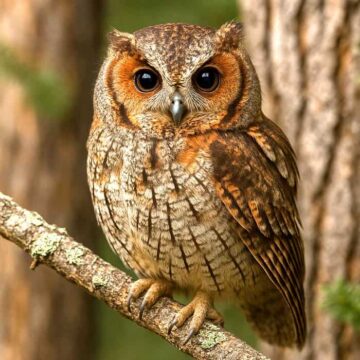
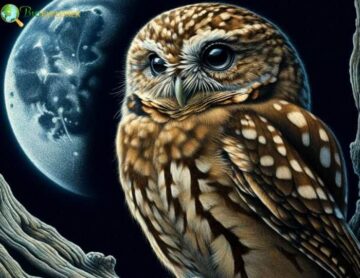
The flammulated owl (Psiloscops flammeolus) is a small, nocturnal bird native to western North America, renowned for its flame-marked plumage and soft, deep calls. Favoring mature coniferous forests, this elusive owl nests in tree cavities and feeds almost exclusively on insects like moths and beetles. Despite its broad range, it remains hard to spot due to its camouflaged appearance and secretive habits. As a key insect predator and indicator of healthy forests, the flammulated owl plays an essential role in maintaining ecological balance across its habitat.
Read more
Great Cormorant

Great Cormorant

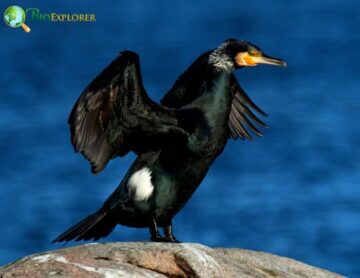
The Great Cormorant is a large, heavyset waterbird with glossy black plumage, a thick neck, and a stout, hooked bill. Adults display a yellow throat patch and, during breeding season, develop white thigh patches and short white plumes on the head and neck. Found across Europe, Asia, Africa, and coastal North America, they inhabit rocky sea coasts, islands, and large inland lakes and rivers. Great Cormorants are expert divers, propelling themselves underwater with their feet to catch fish. After diving, they're often seen perched with wings spread to dry. They nest in dense colonies, sometimes numbering thousands of pairs.
Read more
Great Eared Nightjar

Great Eared Nightjar

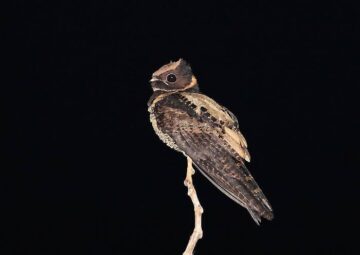
In the heart of the night, when the world seems to hold its breath, the Great Eared Nightjar takes flight. This nocturnal bird, known scientifically as Lyncornis macrotis, is a captivating creature that has long intrigued ornithologists and nature enthusiasts.
Read more
Great-tailed Grackle

Great-tailed Grackle

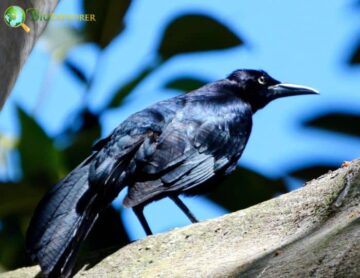
The Great-tailed Grackle is a large, striking blackbird known for its glossy, iridescent males with long, keel-shaped tails and bright yellow eyes. Females are noticeably smaller and brown with darker wings and tails. Native to the Americas, these highly social birds thrive in open areas near water, including farmland, city parks, and suburban lawns, and have rapidly expanded their range across North America in recent decades. Great-tailed Grackles are famous for their raucous flocks and wide variety of vocalizations, from whistles to harsh rattles. They are highly flexible and persistent problem-solvers, able to adapt quickly to new environments and even solve complex puzzles.
Read more
Greater Antillean Grackle

Greater Antillean Grackle

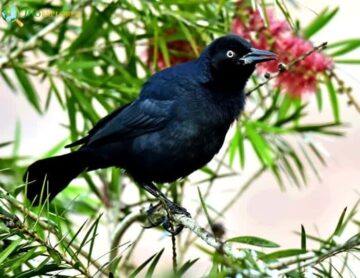
The Greater Antillean Grackle is a glossy black songbird native to the Caribbean's Greater Antilles, including Cuba, Jamaica, Hispaniola, and Puerto Rico. Males reach about 27 cm (11 in) with a distinctive keel-shaped, “rudder-like” tail, while females are slightly smaller and less glossy. Its most striking feature is its bright yellow eye, the only non-black part of its body. These bold, noisy black birds thrive in open habitats near humans-towns, farms, mangroves, and pastures-and often form large, social flocks. Opportunistic eaters, they consume insects, fruit, seeds, small animals, and even human scraps.
Read more
Green Mango

Green Mango

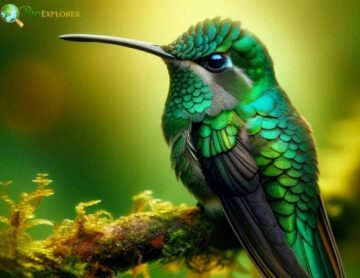
Marvel at Puerto Rico’s smallest avian pollinator, the iridescent emerald Green Mango hummingbird, fueled by nectar, sustaining its mobility through lush mountain rainforests and coffee plantations. Trace its role in carrying pollen through unbroken floral corridors rich in fruiting trees. Understand this diminutive species’ undisrupted pathway reliance on habitat connectivity to counter migration needs.
Read more
Hawaiian Crow

Hawaiian Crow

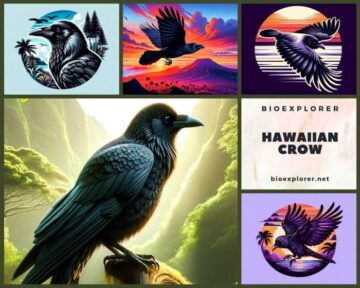
The Hawaiian Crow, or ʻAlalā, is a critically endangered bird endemic to Hawaii, now extinct in the wild but surviving in captive breeding programs. About 19–20 inches (48–50 cm) long, it sports soft, brownish-black plumage, a thick bill, and bristly throat feathers. ʻAlalā once inhabited dry and mesic forests on the slopes of Mauna Loa and Hualālai, playing a vital role in seed dispersal and pest control. Highly intelligent, Hawaiian Crows use sticks as tools-a rare trait among birds-and have a complex repertoire of over 20 vocalizations. In Hawaiian culture, the ʻAlalā is revered as an 'aumakua, or family guardian spirit.
Read more
Hooded Crow

Hooded Crow

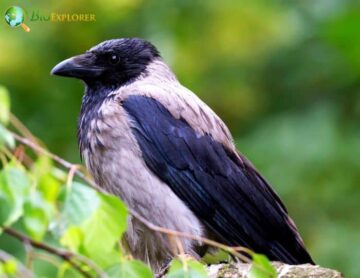
The Hooded Crow is a medium-sized, two-toned corvid with a pale grey body and contrasting black head, wings, tail, and thigh feathers. Found across northern and eastern Europe and parts of the Middle East, it adapts well to woodlands, farmland, coasts, and cities. Hooded Crows are highly intelligent, known for using tools and dropping shells or nuts from heights to crack them open. Their omnivorous diet includes insects, small animals, grains, carrion, and human scraps. Hooded Crows often pair for life, and their harsh “kraa” call is a familiar sound in their range.
Read more
Little Cormorant

Little Cormorant

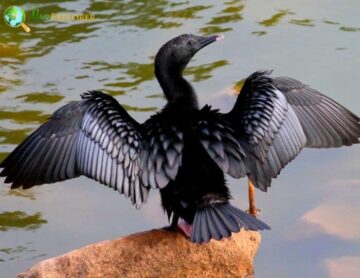
The Little Cormorant is a compact, all-black waterbird, typically 50–55 cm long, found across the Indian subcontinent and Southeast Asia. In breeding season, adults have glossy black plumage, sometimes with white facial spots and a small crest; in non-breeding season, plumage is browner with a white throat patch. This species thrives in wetlands, lakes, rivers, and estuaries, where it's often seen diving for fish-its main food. Little Cormorants are highly social, roosting and nesting in colonies, sometimes alongside herons and egrets. After diving, Little Cormorants often perch with wings spread to dry.
Read more
Mimids

Mimids

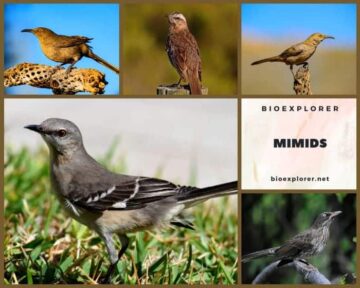
The fabulously playful Mimidae family of Mimids – the mockingbirds, catbirds, thrashers & tremblers of the Americas – is overviewed with facts on evolution, vocal mimicry abilities, behavior, life histories and cultural symbolism of these often supremely talented songsters.
Read more
Northwestern Crow

Northwestern Crow

The Northwestern Crow is a mid-sized, all-black bird native to the Pacific coast from southern Alaska to northern Washington. It thrives in coastal habitats, intertidal zones, forest edges, and even urban areas, often foraging on beaches for clams, invertebrates, eggs, and carrion. Known for their intelligence, these crows use tools-dropping clams on rocks to break them open-and perform aerial acrobatics. They are highly social, forming large flocks in winter and engaging in noisy mobbing of predators. Northwestern Crows mate for life, nest in trees or shrubs, and young remain dependent on parents for several weeks.
Read more
Nuttall's Woodpecker

Nuttall's Woodpecker

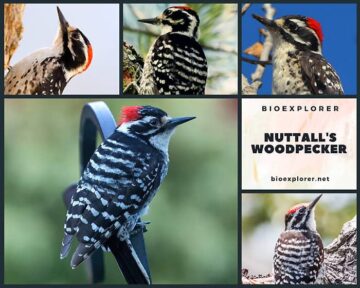
Nuttall’s woodpecker (Picoides nuttallii) is a small, striking bird found primarily in California and northern Baja California. It thrives in oak woodlands, riparian corridors, and even suburban areas with mature trees. Males sport a red crown patch, while both sexes show black-and-white barring that blends into tree bark. This non-migratory woodpecker feeds mainly on ants and beetles, using its strong bill and long tongue to forage under bark. Monogamous pairs raise chicks in tree cavities, and their old nests offer shelter to other wildlife, making them key contributors to healthy forest ecosystems.
Read more
Pelagic Cormorant

Pelagic Cormorant

The Pelagic Cormorant is the smallest and most slender cormorant along the Pacific Coast, recognized by its long, thin neck and all-black plumage, with breeding adults showing white flank patches and short crests on the crown. Found from Alaska to Baja California and the Asian Pacific coast, it inhabits rocky shorelines, bays, and coastal cliffs, rarely venturing far from land. This species dives to depths over 130 feet to catch small fish and invertebrates, often foraging alone. Nests are built on narrow cliff ledges and reused for years.
Read more
Pied Crow

Pied Crow

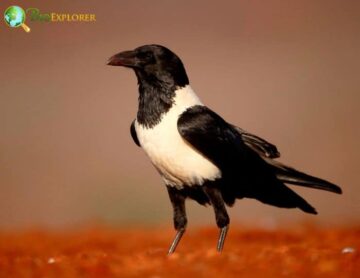
The Pied Crow is a striking black-and-white corvid native to sub-Saharan Africa and nearby islands. Easily recognized by its glossy black head, wings, and tail contrasted with a broad white chest and belly, it is slightly larger than the Carrion Crow and has a robust, slightly hooked bill. Highly adaptable, Pied Crows thrive in open savannas, grasslands, farmlands, and urban areas, often seen in pairs or small groups but sometimes gathering in large flocks. Exceptionally intelligent, they use tools, cache food, and mimic sounds. Their omnivorous diet includes insects, small animals, fruit, carrion, and human scraps.
Read more
Puerto Rican Amazon

Puerto Rican Amazon

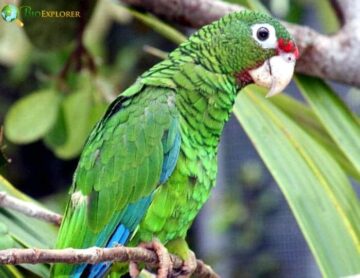
Follow the extraordinary story of the Puerto Rican Amazon. Once abundant across mountain forests, this vivid parrot now relies on dedicated conservation to defy extinction odds. Learn about its distinctive red-crowned green plumage, role dispersing seeds, the intensive recovery effort when just 13 birds remained in 1975, and why protecting precious habitat remains key to overcoming threats for this critically endangered species.
Read more
Puerto Rican Bullfinch

Puerto Rican Bullfinch

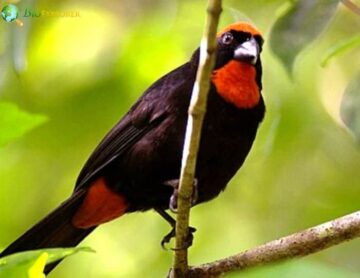
The Puerto Rican Bullfinch, or comeñame, is a stocky, black songbird with bright orange patches above the eyes, around the throat, and under the tail. Endemic to Puerto Rico, it inhabits dense forests and coffee plantations, foraging for fruit, seeds, insects, and spiders. Measuring 17–19 cm, it's often heard before seen, thanks to its loud whistles and trills. Nests are spherical with a side entrance, usually placed low in trees or shrubs; clutches contain two to three greenish eggs.
Read more
Puerto Rican Emerald

Puerto Rican Emerald

Follow a tiny metallic-hued hovercraft nimbly navigating the maze of mangroves, forests, and gardens spanning Puerto Rico. Well-adapted to myriad nesting sites, this Emerald hummingbird flits freely, relying on a diverse nectar supply to counter any migration need. Learn how keeping multiple doors open through habitat connectivity sustains this abundantly welcome wildcard across the island.
Read more
Puerto Rican Euphonia

Puerto Rican Euphonia

Preview a gleaming rainforest gem, the Puerto Rican Euphonia finch, recently proven genetically distinct from its Hispaniolan counterpart. Understand how substantiating this brilliant blue and yellow species as an endemic taxon underscores Puerto Rico’s precious biodiversity. Explore outstanding questions about diet, breeding ecology, habitat range and conservation status needing research to inform appropriate protections.
Read more
Puerto Rican Lizard Cuckoo

Puerto Rican Lizard Cuckoo

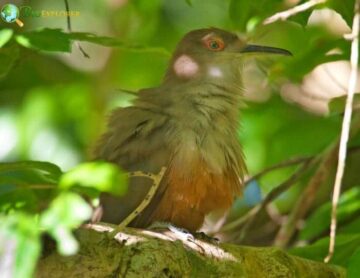
Uncover the mysteries of an expertly camouflaged rainforest bird, the Puerto Rican Lizard Cuckoo, capable of vanishing before your eyes after beckoning you with its eerie yet alluring calls. Understand how mature broadleaf cover supports this specialist predator, efficiently capturing frogs, lizards, and insects high in the canopy to sustain its cryptic existence.
Read more
Puerto Rican Nightjar

Puerto Rican Nightjar

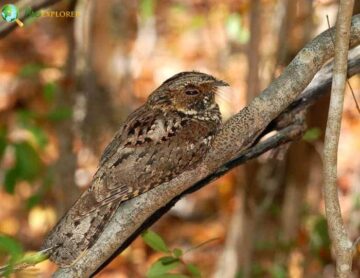
Rediscover a ghostly lost species – the Puerto Rican Nightjar – emerging phantom-like from rapidly vanishing subtropical dry forests still echoed by its mysterious calls. Learn about the nocturnal insectivore’s distinctions, specialized habitat needs, threats from encroaching human activity, and why protecting this specialized niche remains essential to ensure the shy bird’s continued existence.
Read more
Puerto Rican Oriole

Puerto Rican Oriole

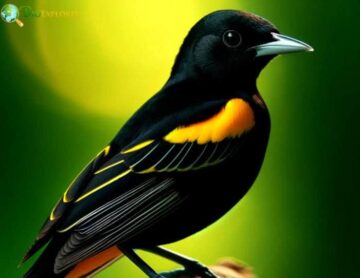
The Puerto Rican Oriole is a striking black songbird with bold yellow patches on its lower belly and shoulders. Endemic to Puerto Rico, it inhabits forests, mangroves, plantations, and especially areas with palm trees, where it weaves hanging basket nests beneath palm leaves. Both sexes look alike and sing, producing complex songs made of up to 27 different notes. Omnivorous, it forages for insects, fruit, lizards, nuts, and grains in dense vegetation. Family groups often remain together after breeding. Threats include habitat loss and nest parasitism by shiny cowbirds, but the species is still classified as Least Concern.
Read more
Puerto Rican Owl

Puerto Rican Owl

Discover a versatile nocturnal raptor, the Puerto Rican Owl (Gymnasio nudipes), stealthily ruling the island’s forests and urban areas under cover of night. Follow its prowess capturing large insects and small vertebrates to sustain viable populations. Understand how this savvy Screech owl’s adaptability across wooded to developed areas enables its continued success.
Read more
Puerto Rican Spindalis

Puerto Rican Spindalis

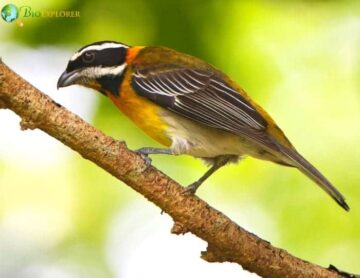
Check the brilliant hues of Puerto Rico’s unofficial national bird, the Puerto Rican Spindalis (Spindalis portoricensis), flickering like an island flag across forests and farms where this frugivore finds refuge. Understand how although adaptable to human-altered areas, habitat integrity is still paramount to enduring conservation for this vivid and voiceful endemic songster.
Read more
Puerto Rican Tanager

Puerto Rican Tanager

Trail a voiceful rainforest insectivore, the Puerto Rican Tanager (Nesospingus speculiferus), through remote protected sanctuaries sustaining this species’ specialized cloud forest niche now endangered by climate change and urban encroachment. Understand why this blue-hooded songster’s reliance on undisturbed canopy cover makes conservation of prime breeding grounds an emergency for securing its future.
Read more
Puerto Rican Tody

Puerto Rican Tody

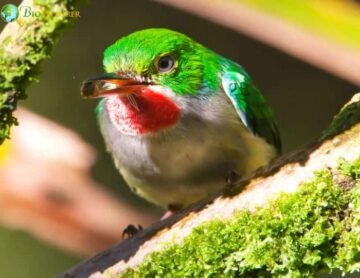
Marvel at Puerto Rico’s tiniest rainforest resident, the diminutive 11-cm Puerto Rican Tody (Todus mexicanus), using masterful maneuverability to exploit dense broadleaf cover when hunting aerial and leaf-lurking insects. Trace survival adaptations from lower metabolic rates to intricate nest tunnel construction to clutch production aligned with seasonal food availability.
Read more
Puerto Rican Vireo

Puerto Rican Vireo

Follow the Puerto Rican Vireo’s (Vireo latimeri) melodious voice echoing across lush rainforest canopies, where this prime songster and insect-hunter is now increasingly challenged by hostile cowbird invaders. Learn specific conservation actions to secure this species’ specialized nesting requirements and protect fruit sources supplementing its distinctive territorial songs.
Read more
Puerto Rican Woodpecker

Puerto Rican Woodpecker

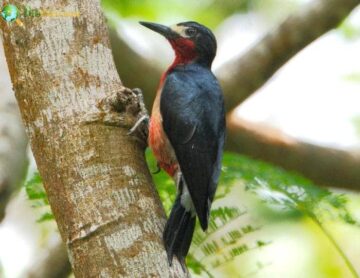
The Puerto Rican Woodpecker is the only woodpecker endemic to Puerto Rico, easily recognized by its glossy black body, bright red throat and breast, and a white band across the forehead. Males are slightly larger and have more vivid red coloring than females. This species thrives in forests, mangroves, coffee plantations, parks, and gardens across the main island, feeding mainly on insects but also enjoying fruit and occasionally small vertebrates. Its loud “wek-wek-wek” call is a common sound in Puerto Rican woodlands. Old nest cavities are often reused by other native birds.
Read more
Red-billed Oxpecker

Red-billed Oxpecker

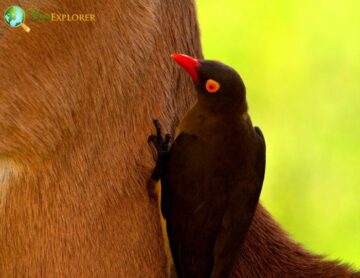
The Red-billed Oxpecker is a medium-sized, olive-brown bird easily recognized by its vivid red bill and yellow eye-ring. Native to the savannas of sub-Saharan Africa, it forms a remarkable mutualistic relationship with large mammals like buffalo, giraffe, and rhino, feeding on ticks and other parasites from their skin. Specialized claws and stiff tail feathers help it cling to moving hosts. Highly social, oxpeckers communicate with sharp, hissing calls and may even alert hosts to predators. Their diet also includes earwax and blood from wounds, sparking debate over whether they are always helpful. Nests are built in tree cavities lined with animal hair.
Read more
Rook

Rook

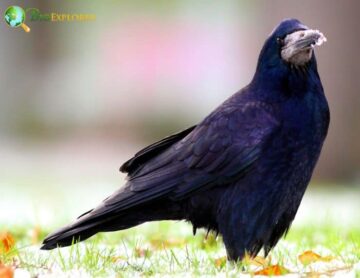
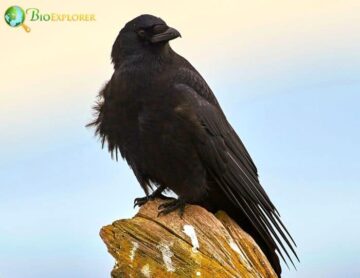
The Rook is a large, sociable black bird native to Europe and Asia, easily recognized by its bare, pale-grey face and cone-shaped head. It forms noisy colonies called rookeries, nesting high in tall trees near farmland, villages, or parks. Rooks forage in flocks, probing fields for grubs, worms, seeds, and grain, but also eat insects, small mammals, and carrion. Highly intelligent, they use tools and have excellent memories. Unlike crows, adult rooks show a whitish patch at the bill's base. Some rookeries have been used for over a century.
Read more
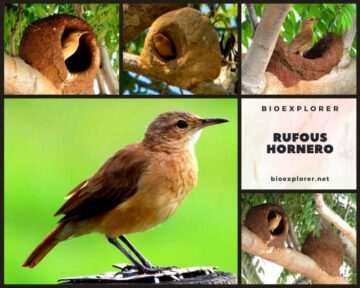
Rufous Hornero

Rufous Hornero

Explore the Rufous Hornero, South America’s avian marvel. Dive into its unique habits, cultural significance, and conservation efforts. A birdwatcher’s delight!
Read more
Senegal Parrot

Senegal Parrot

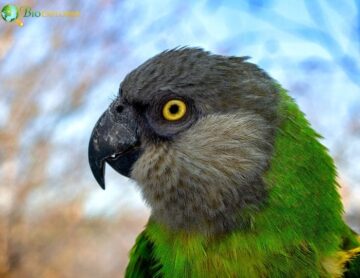
Learn all about the vibrant, social Senegal parrot (Poicephalus senegalus), a popular West African parrot species that thrives in captivity when well-trained. Get information on taxonomy, physical features, reproduction, behavior, communication style, and fun facts.
Read more
Sooty Tern

Sooty Tern

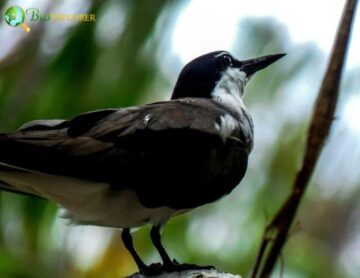
The Sooty Tern is a large, striking seabird with black upperparts, white underparts, a white forehead, and a deeply forked tail. Found across tropical oceans worldwide, it spends most of its life at sea, sometimes remaining airborne for 3 to 10 years without landing, as it cannot float due to a lack of waterproofing oil in its feathers. Sooty Terns feed by skimming fish and squid from the ocean's surface and rarely come to land except to breed in dense colonies on remote islands. Their loud, piercing calls and aerial courtship displays are characteristic of their nesting grounds.
Read more
Thick-billed Raven

Thick-billed Raven

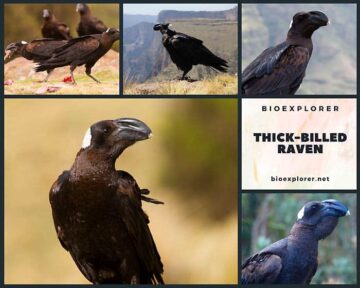
The thick-billed raven is Africa's largest corvid, native to the highlands of Ethiopia, Eritrea, and Somalia. Known for its massive white-patched bill and glossy black plumage with a white nape, this intelligent bird thrives in both wild and urban settings. Its diet includes carrion, seeds, and small animals, showcasing its adaptability. Thick-billed ravens are monogamous, nest on cliffs or tall trees, and play vital ecological roles as scavengers and predators. Their vocal variety, tool use, and social foraging highlight their complex behavior in highland ecosystems.
Read more
Torresian Crow

Torresian Crow

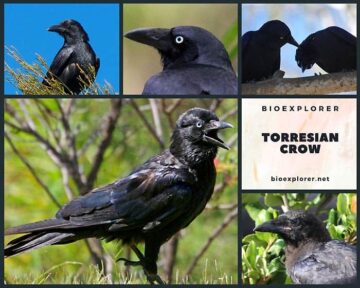
The Torresian crow (Corvus orru) is a smart, adaptable bird native to northern and western Australia, as well as nearby regions in Papua New Guinea and Indonesia. Known for its glossy black feathers and white eyes, it thrives in rainforests, farmlands, and cities. An opportunistic omnivore, it feeds on everything from insects to carrion. Remarkably, it has learned to eat toxic cane toads safely—a skill passed down culturally within crow populations.
Read more
Types of Eagles

Types of Eagles

Explore all 68 types of eagles in this comprehensive guide. Learn about each species’ unique traits, habitats, and behaviors across the globe.
Read more
Violet Crow

Violet Crow

The violet crow (Corvus violaceus) is a medium-sized, glossy black bird with a distinctive purplish sheen, found only on Seram Island in Indonesia. Formerly a subspecies of the slender-billed crow, it is now recognized as a unique species. Adapted to tropical forests, plantations, and farmland, the violet crow is omnivorous and exhibits solitary or small-group foraging behavior. Its stable population and ecological role in seed dispersal and pest control make it vital to Seram's biodiversity. With striking plumage and limited range, it captivates ornithologists and conservationists alike.
Read more
White Cockatoo

White Cockatoo

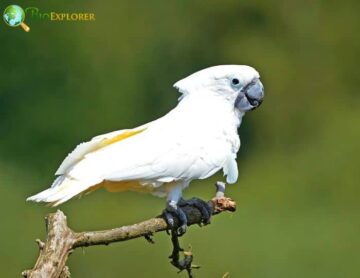
Discover the breathtaking beauty of the White Cockatoo (Cacatua Alba), their characteristics, diet and several interesting fun facts about them here.
Read more
White-necked Raven

White-necked Raven

The white-necked raven is a large, intelligent bird native to the highlands of eastern and southern Africa. Recognizable by its white nape and glossy black plumage, this adaptable corvid thrives in mountainous terrain, open savannas, and even urban settings. It feeds on everything from insects and carrion to human scraps, often displaying clever foraging tactics like dropping nuts on rocks. Monogamous pairs build sturdy nests on cliffs or tall trees. As both scavenger and predator, it plays a vital ecological role while showcasing striking social and problem-solving behaviors.
Read more
Yellow-billed Magpie

Yellow-billed Magpie

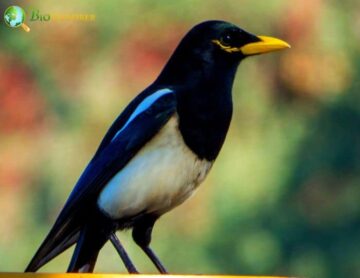
The Yellow-billed Magpie is a striking, large black-and-white bird with shimmering blue-green wings and tail, and a distinctive bright yellow bill and eye ring. Endemic to California's Central Valley and nearby foothills, it thrives in open oak woodlands, farmlands, and orchards. Highly social, these magpies nest in loose colonies and build dome-shaped nests high in trees. Their varied diet includes insects, acorns, grains, fruit, carrion, and even garbage. Known for their intelligence, they can mimic sounds and sometimes hold “funerals” for dead flockmates. The species is vulnerable due to habitat loss and West Nile virus.
Read more
Yellow-shouldered Blackbird

Yellow-shouldered Blackbird

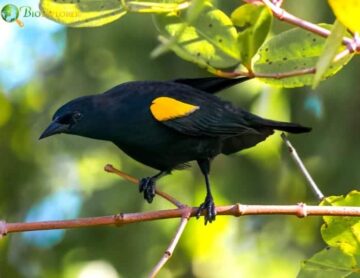
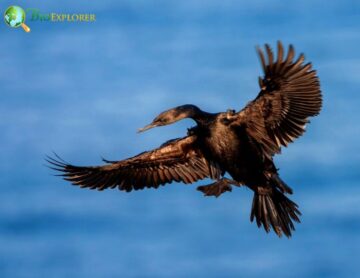
The Yellow-shouldered Blackbird is a glossy black songbird with a distinctive yellow patch on its “shoulders” outlined by a narrow white margin. Endemic and endangered in Puerto Rico, it inhabits mangroves, arid scrublands, and coastal forests. Males and females look alike, though males are slightly larger. These birds are primarily insectivorous but also eat some plant material, like cactus fruits. Nests are built in tree cavities, palm fronds, or cliff crevices, often in small colonies. Habitat loss and nest parasitism threaten the species. Their bright yellow epaulets set them apart from the similar red-winged blackbird.
Read more
Yellow-winged Blackbird

Yellow-winged Blackbird

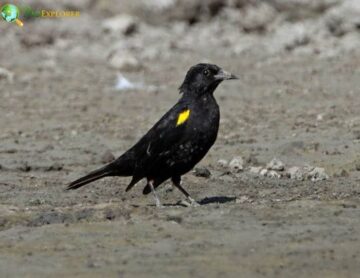
The Yellow-winged Blackbird is a striking, stocky bird found in wetlands and reed beds across South America. Males are glossy black with bold yellow shoulder patches that are most visible in flight, while females are brown and streaked with a pale eyebrow. These blackbirds are rarely far from water, often forming small flocks and breeding colonially in reeds. They forage mainly on the ground for seeds, fruits, and insects, sometimes following livestock or farm machinery to catch disturbed prey. Fun fact: males perform acrobatic display flights and flocks will mob predators to drive them away.
Read more

Main Characteristics of Birds

Emu (Birds are Bipedal)

The Class Aves or Birds is just one of the classes of the bigger Kingdom Animalia. The birds share some characteristics with another closely related class – Reptiles, but they also have some features that are unique to these fantastic creatures. Let us go through their main traits.

  • Birds are vertebrates – they have an inner skeleton that contains a spine, limbs, and a skull;
  • Birds are endothermic – they maintain constant body temperature by themselves, without depending on outside factors;
  • Birds are bipedal (i.e., they move on two limbs when they are on the ground);
  • The upper limbs of birds have evolved into specialized structures – wings, that allow flight;
  • The body of the most bird is spindle-shaped (to make the flight more comfortable and more effective);
  • The birds’ bones are hollow inside to lower the overall weight of the body;
  • The body is covered with unique structures – feathers. Only legs are covered with scales;
  • The birds have a heart with 4 chambers – this way, the oxygen-rich and oxygen-poor blood is divided correctly, which helps with maintaining constant temperatures;
  • The birds have a complex nervous system and a well-developed brain. Many birds are known to be highly teachable and intelligent;
  • There are two sexes in birds: male and female;
  • Fertilization in birds is internal. As a result of fertilization, a closed-off, waterproof egg is formed.
  • The eggs develop outside the body, usually under the care of both parents or sometimes only one.

If we want to define birds strictly, we would say they are warm-blooded, bipedal vertebrate animals with forelimbs evolved into wings, covered in feathers, and with a beak instead of a mouth.

Cite this page

Bio Explorer. (2026, January 6). 40 Different Types of Birds. https://www.bioexplorer.net/animals/birds/

Sources
  • “Introduction to the Aves” – Berkeley University. Last Accessed on May-24-2019 Link.
  • “Fichier:Subdesert Mesite.jpg – Wikipedia. Accessed June 01, 2019. Link.
  • “File:4 day trip to La Selva Lodge on the Napo River in the Amazon jungle of E. Ecuador – Hoatzin (Opisthocomus hoazin) – (26592958760).jpg – Wikimedia Commons”. Accessed June 01, 2019. Link.
  • “Sandgrouse – Wikipedia”. Accessed June 01, 2019. Link.
  • “Elegant crested tinamou – Wikipedia”. Accessed June 01, 2019. Link.

2 Comments

  1. I think your Ohio link is wrongly connected to the Michigan birds page.

    1. BioExplorer says:

      Good catch Emma. Fixed it now.

      Thanks.

Leave a Reply

Your email address will not be published. Required fields are marked *